

The psychology of genre reveals that your attraction to specific types of stories comes from emotional connections and cultural influences. Different genres resonate with your feelings and fulfill psychological needs like empathy and connection. Your background shapes how you experience stories, while character identification deepens your engagement. As you explore these layers, you’ll uncover more about what drives your preferences and how they reflect your own unique experiences.
Key Takeaways
- Our cultural background shapes music and story preferences, influencing emotional resonance and connection with specific genres.
- Different genres evoke distinct emotional responses, fulfilling intrinsic desires for creativity, connection, and emotional release.
- Character identification enhances engagement, as relatable traits and struggles foster empathy and personal reflection in stories.
- Genre conventions guide narrative structure and themes, aligning stories with audience expectations for meaning-making and emotional impact.
- Exposure to shared cultural narratives and societal values informs our attraction to certain genres, enhancing collective experiences and understanding of humanity.
Understanding Our Attraction to Different Genres

Why are we drawn to specific genres in music and film? One main factor is how attraction shapes our preferences. People often seek partners who share their similarity in tastes. For men, shared musical interests can greatly enhance attraction, while for women, it’s less influential. Your attraction might also depend on how genres resonate with your emotions and experiences. Certain music genres can even elevate someone’s appeal; upbeat tracks can induce arousal, affecting your perceptions. Additionally, societal expectations come into play, as specific genres can signal attractiveness or strength, influencing your initial romantic attraction. Ultimately, these elements intertwine, connecting your choices with evolutionary and psychological underpinnings, leading you to gravitate toward certain genres that feel familiar or appealing. Understanding that initial romantic attraction (IRA) includes positive reactions toward potential partners adds depth to why these genres resonate with us. Furthermore, engaging with narratives in fiction can enhance your emotional understanding, resulting in a broader appreciation for the diverse genres that resonate with different life experiences. Regularly engaging with these different narratives can also help to cultivate strong critical thinking skills, as it encourages you to analyze and interpret various perspectives.
How Do Genres Shape Our Emotions?
When you read different genres, the emotional experiences can vary considerably. For instance, horror can trigger fear and adrenaline, while romance might release oxytocin, fostering feelings of connection. Understanding how these genres elicit specific emotions can enhance your reading experience and awareness of your own emotional responses. Research has shown that reading literary fiction can improve your ability to recognize complex emotions, further enriching your emotional engagement with stories. Additionally, engaging with literature through bibliotherapy can offer therapeutic benefits that support mental health and emotional well-being. Furthermore, embracing a regular reading routine can serve as a cognitive shield against brain aging, promoting mental agility and longevity.
Emotional Resonance in Horror
As horror films tap into our deepest fears, particularly the fear of death, they create a unique emotional resonance that shapes our experiences. You might find yourself anticipating unexpected plot twists or character deaths, which amplifies suspense and heightens your emotional responses. Horror triggers intense feelings, allowing for catharsis as you process anxiety and fear in a controlled environment. If you’re a high sensation seeker, you may thrive on these intense scenes, while others feel discomfort due to the realism. This mix of anticipation, shock, and eventual relief can lead to exhilaration once the threat is resolved. Ultimately, horror enables a safe space to explore complex emotions, helping you master your reactions to fear. Suspense plays a crucial role in maintaining that engrossing tension throughout the film.
Romance and Oxytocin Release
While horror films evoke intense emotions tied to fear, romance films tap into the equally powerful experience of love, fundamentally influencing our emotional landscape through the release of oxytocin. When you’re in a romantic relationship, your oxytocin levels soar, particularly in the early stages of love. This hormone not only enhances feelings of bonding but also spikes brain activity in areas related to reward. Engaging in fun activities together can further boost oxytocin release, strengthening your connection. Oxytocin’s role in fostering romantic attachment is so significant that oxytocin levels during new romances can surpass those of new parents, suggesting its pivotal role in forming strong attachments. So next time you watch a romance film, remember it’s shaping your emotions through this incredible chemical response, making love even more appealing.
Disgust and Health Awareness
Although many may not realize it, the emotion of disgust plays a significant role in how we perceive health and safety in our everyday lives. This evolved emotional system helps you avoid pathogens and environmental threats. Your disgust response is shaped by your surroundings, making it essential for regulating health awareness. When you encounter something disgusting, your memory for that stimulus becomes heightened, enhancing recall compared to neutral information. This strong recognition reveals how disgust can influence your choices in food and hygiene. In instances where consistent reading habits are fostered, children may also develop improved emotional regulation, which can affect their response to disgust. Additionally, incorporating strategies for filtering through vast information can help individuals make more informed choices regarding their health. In cases of trauma, elevated disgust may even lead to PTSD symptoms. Excessive disgust may motivate individuals to avoid certain disease-related stimuli, highlighting the powerful impact this emotion has on our decision-making processes. Understanding these dynamics helps you navigate your emotional landscape, aligning your choices with safer, healthier habits driven by your instinctual reactions to disgust.
What Psychological Needs Do Genres Fulfill?
Genres fulfill various psychological needs, catering to our intrinsic desires for creativity, emotion, and connection. For instance, fantasy fiction ignites your imagination, letting you explore beyond societal constraints while enhancing your problem-solving skills. Engaging with stories captivates your attention and sharpens memory, deepening your understanding of the world. Emotionally, narratives can provide the thrill and connection you might miss in daily life, increasing empathy and fostering bonds with characters. You may find solace in the friends you’ve created through parasocial relationships. Additionally, these genres promote social belonging by immersing you in meaningful communities. Ultimately, exploring diverse genres satisfies your need for existential understanding, offering new perspectives on life’s complexities. Narratives can alter cognition, attitudes, and behaviors while promoting intrinsic motivation and well-being for players and society. Moreover, immersing oneself in literature can serve as a powerful antidote to creative block and inspire new ideas. In a world flooded with information, literary engagement provides a unique avenue for deeper reflection and insight.
How Culture Influences Genre Preferences
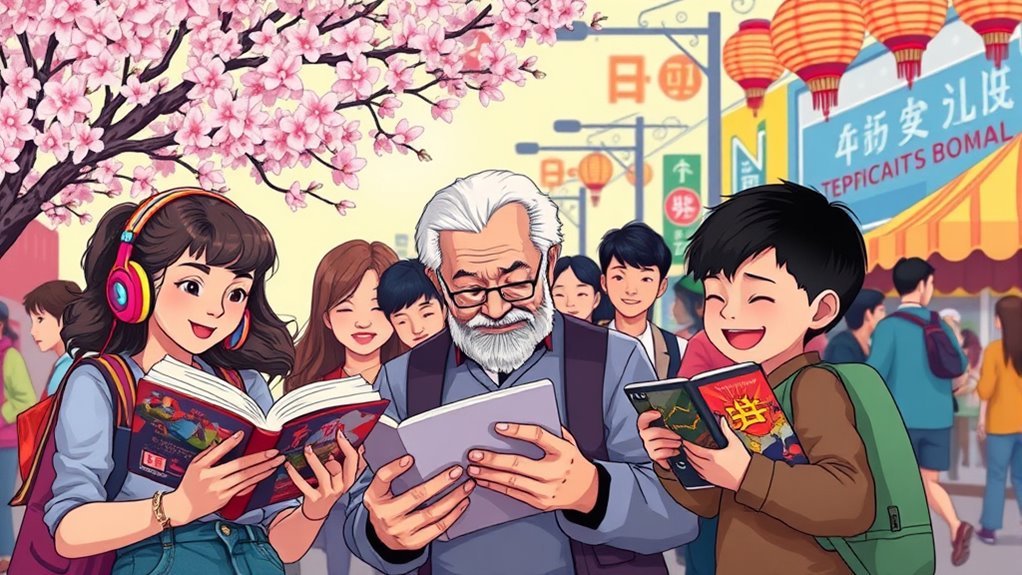
When you think about your favorite music, consider how your cultural background shapes those preferences. The stories and values ingrained in your society can influence what genres resonate with you, often reflecting historical experiences. By examining these cultural narratives, you’ll see just how deeply interconnected music and culture really are. Music preferences reflect significant variation among individuals, indicating that these connections are not only personal but also universally relevant across cultures.
Cultural Narratives Shape Preferences
Culture greatly shapes our music preferences, as various cultural dimensions influence how we connect with different genres. For instance, if you’re drawn to rock or jazz, it might relate to your culture’s long-term orientation. Similarly, classical lovers often reflect societies with high power distance. You may find yourself enjoying country and pop due to indulgent cultural values, while heavy metal resonates more with masculine cultural dimensions. Interestingly, excessive exposure to social media can hinder our ability to appreciate the nuances of different music genres. Your exposure to diverse cultures can also boost your openness to genres worldwide. Engaging with diverse perspectives has the potential to enhance not only your musical tastes but also your ability to empathize with others. If you’ve invested time in education—like learning another language or studying anthropology—you’re likely more inclined to explore a variety of music. Each cultural narrative plays a crucial role, shaping the soundtracks of your life. Cultural diversity is another element that influences your personality development, making you more adaptable and creative in your musical preferences.
Historical Context’s Role
Although historical contexts often seem distant, they profoundly shape our genre preferences by influencing the narratives we find relatable or compelling. Characters’ motivations and behaviors reflect the societal norms of their time. For instance, a 19th-century suffragette faced vastly different challenges than today’s activists, reminding us that context matters. Major political movements, like the Civil Rights Movement or the Russian Revolution, also feed into the themes we engage with, emphasizing freedom or justice. Additionally, social hierarchies in historical periods dictate character interactions, seen in Jane Austen’s works critiquing Regency England’s rigid norms. Finally, authentic period details, from dialogue to customs, deepen your connection to stories, making them more immersive and ensuring they resonate across generations. Understanding historical movements allows readers to appreciate how these influences shape characters and narratives, granting insight into the evolving landscape of literature.
The Role of Character Identification in Storytelling
Character identification is essential in storytelling, shaping how audiences connect with narratives. When you identify with a character, their experiences and emotions resonate deeply, allowing you to immerse yourself in the story. Determinants like personality traits, backgrounds, and dilemmas contribute to this connection. You’re more likely to engage with a character whose struggles mirror your own or evoke empathy. This identification not only enhances your emotional investment but also drives your response to the story’s developments. Moreover, when characters undergo growth or transformation, it often inspires you to reflect on your own life. This bond makes the narrative more compelling, keeping you hooked and reflecting on what it means to be human in diverse circumstances. Additionally, character-based factors such as perceived similarity and likeability can significantly boost your identification with a character.
Improving Narrative Crafting With Genre Psychology Insights

Understanding genre psychology can greatly enhance your narrative crafting skills, as it reveals the underlying mechanisms driving audience engagement. By tapping into cognitive preferences, you can create stories that reflect the emotional tension audiences crave. Remember, narratives with conflicting emotions generally score higher on meaning-making, while life-threatening events elevate engagement. Use genre conventions deliberately to shape your story’s structure and thematic elements, such as redemption or agency, which resonates deeply with readers. Narrative Analysis emphasizes the importance of knowing how stories are co-constructed with context, which can deepen your storytelling approach. Don’t overlook the social-relational aspects of genre; tailor your content to foster connections and build community through shared experiences. By aligning your narratives with audience expectations and desires, you’ll not only create enthralling stories but also enhance both personal and collective understanding.