

If you’re on the hunt for engaging books about the Roman Empire, you can’t go wrong with titles like “SPQR: A History of Ancient Rome” and “The Storm Before the Storm.” “Ancient Rome: The Definitive Visual History” offers stunning visuals, while “Ten Caesars” explores emperors from Augustus to Constantine. “Ancient Rome: The Rise and Fall of an Empire” provides a thorough overview. These selections promise to keep you enthralled. Stick around to uncover more intriguing recommendations!
SPQR: A History of Ancient Rome

“SPQR: A History of Ancient Rome” offers readers an enthralling exploration of ancient Rome’s transformation from a modest Iron Age settlement into a powerful empire. With a fresh perspective on historical narratives, the book emphasizes class struggles and amplifies voices that have often been silenced throughout history. It invites readers to engage with nearly a millennium of captivating stories, providing a new lens through which to view Rome’s profound influence on the contemporary world.
This book masterfully highlights several key themes:
- Class struggles that shaped Roman society and politics.
- Voices of the marginalized, shedding light on the stories often overlooked in traditional narratives.
- A comprehensive journey through more than a thousand years of history, making complex ideas accessible to all.
The writing is both passionate and engaging, making history feel vibrant and alive. The incorporation of illustrations and maps enriches the reader’s experience, grounding the narrative in time and place. As the author eloquently puts it, “To understand Rome is to understand the development of the Western world.”
Ultimately, “SPQR” not only reshapes our perception of ancient Rome but encourages readers to consider the echoes of its legacy in today’s society. For anyone curious about the dynamics of power, class, and historical storytelling, this book is a must-read that promises to deeply enrich your understanding of both the past and the present.
The Storm Before the Storm: The Beginning of the End of the Roman Republic
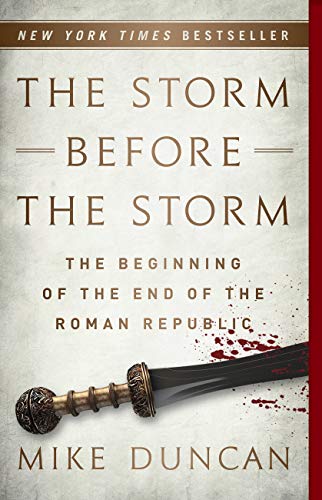
In “The Storm Before the Storm: The Beginning of the End of the Roman Republic,” author Mike Duncan masterfully navigates the chaotic years between 146 and 78 BC, providing readers with an insightful exploration of the events that precipitated the Republic’s collapse. This engaging narrative immerses you in a world of political strife, military upheaval, and the emergence of powerful figures like Marius and Sulla who challenged the Republic’s core values. As you delve deeper, the themes of economic inequality, social unrest, and ambition reveal a society teetering on the brink of transformation.
Key themes include:
- The clash between innovation and tradition in Roman politics
- The consequences of pervasive social discord and weakened democratic ideals
- How individual ambition can both inspire and destroy a state
Duncan’s writing style is both accessible and vibrant, making complex historical contexts feel relevant and engaging. With eloquence, he, at one point, reflects, “History rarely gives you a side of the story that isn’t complex—if you want to take a shortcut, you must hazard your understanding.” This commitment to depth and nuance resonates throughout the book, creating a compelling rendition of a pivotal era.
Ultimately, “The Storm Before the Storm” is not just a chronicling of history but a thought-provoking analysis of the forces that shape societies. It’s a must-read for anyone intrigued by the fragility of democratic institutions and the potent lessons embedded in the past. Whether you’re a history buff or just curious about political dynamics, this book will leave you enlightened and contemplating the enduring relevance of its themes.
Ancient Rome: The Definitive Visual History

Ancient Rome: The Definitive Visual History invites readers on a captivating journey through the rise and fall of one of history’s most influential empires. With over 1,000 years of rich history, this book delves into the daily lives of Romans, from gladiators battling in the arena to bakers crafting bread, all vividly illustrated to enhance the narrative.
Key insights include:
- A thoughtful exploration of Roman art, warfare, and engineering.
- Personal stories that connect readers to the everyday experiences of ancient citizens.
- Engaging thematic spreads that organize complex topics into digestible sections.
The writing is accessible yet informative, making it a pleasure to navigate through the stunning visuals and accompanying text. Phrases like “Rome was not built in a day, but it flourished through the dreams and toil of its people” resonate, inviting readers to reflect on the grandeur of Roman civilization.
Useless Facts about the Roman Empire

Book Review: Quirks of the Roman Empire
“Quirks of the Roman Empire” invites readers to venture beyond the well-trodden paths of history and discover delightful and surprising facts about ancient Rome. From groundbreaking inventions like underfloor heating to the breathtaking popularity of gladiatorial games, this book paints an engaging picture of a civilization that continues to influence modern life in unexpected ways.
Key themes explored include:
- Innovative Technology: Dive into the engineering marvels of the Romans, including their pioneering heating systems and aqueducts.
- Cultural Insights: Gain a fresh perspective on how Roman entertainment and governance shaped societal norms that persist today.
- Historical Anecdotes: Enjoy compelling stories of iconic events, such as Julius Caesar’s military campaigns and the legend of Romulus and Remus.
The author employs a lively and accessible writing style that makes complex ideas easy to grasp, crafting a narrative rich with anecdotes and humor. Sentences like “The cheers of the crowds echoing in the coliseums rival even the fervor of today’s soccer stadiums” not only captivate the reader but also bring a sense of connection to the past.
This book is an essential read for anyone intrigued by history or curious about the origins of contemporary society. It combines a light-hearted approach with substantial insight, making it perfect for both casual readers and history enthusiasts. Whether you’re looking to impress your friends with fun facts or deepen your understanding of the Roman legacy, “Quirks of the Roman Empire” is a treasure trove worth exploring.
Ten Caesars: Roman Emperors from Augustus to Constantine

If you’re fascinated by the historical figures that not only governed but profoundly transformed the Roman Empire, “Ten Caesars: Roman Emperors from Augustus to Constantine” by Barry Strauss is a must-read that brings these leaders to life. This compelling narrative spans three and a half centuries, diving into the legacies of ten emperors who shaped the course of history. Strauss presents a gripping account of how power, politics, and personality intertwine, making it clear how these rulers influenced the empire’s rise and evolution.
Key themes include:
- The adaptability of emperors in the face of challenges.
- The transformation of Rome’s cultural landscape and its lasting influence.
- The personal stories that shed light on the motives and actions of these historical figures.
Strauss’s writing style is both engaging and insightful, allowing complex historical events to be understood with clarity. As he eloquently puts it, “History is a story, and every story deserves a great storyteller,” and that is precisely what he manages to achieve.
This book is not just an educational journey but an invitation to reflect on the richness of Roman history through a narrative that feels both personal and grand in scope. Whether you’re an avid history buff or a casual reader, “Ten Caesars” serves as an enlightening guide that illuminates the enduring legacies of its subjects. Don’t miss your chance to explore this captivating piece of history—it promises intrigue and inspiration at every turn.
Ancient Rome: The Rise and Fall of an Empire
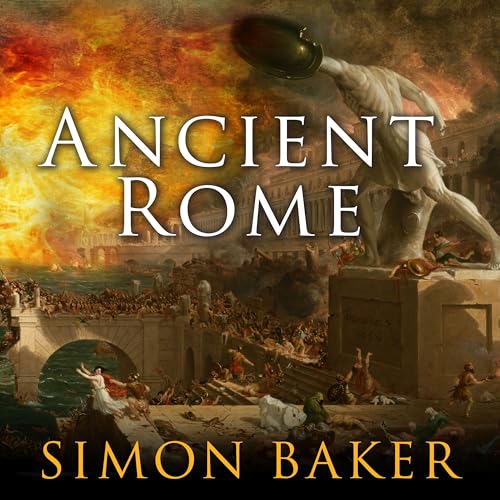
“Ancient Rome: The Rise and Fall of an Empire” offers a captivating journey through one of history’s most influential civilizations. This book delves into six pivotal turning points, portraying a complex narrative from the collapse of the Republic to the rise of Christianity. Readers are introduced to dynamic figures like Julius Caesar and Constantine, depicted with rich detail that transcends common stereotypes.
Key themes include:
- The exploration of significant events that shaped the Roman Empire.
- In-depth character studies that provide a nuanced perspective on key leaders.
- A balanced portrayal of the duality of Roman society—its splendor and its struggles.
The writing style is both accessible and engaging, weaving intricate historical details with a narrative that captures the essence of Roman life. The author’s ability to bring the past to life is apparent in lines such as, “In the shadows of its grandeur, Rome’s true heart revealed both ambition and vulnerability,” which encapsulates the empire’s complexity.
For history enthusiasts eager to understand the intricate fabric of Ancient Rome, this book is a must-read. Its compelling storytelling and thorough analysis not only educate but also evoke a sense of wonder about one of the world’s great civilizations, making it impossible to put down.
Ancient Rome: An Illustrated History

Ancient Rome: An Illustrated History by Nigel Rodgers, featuring consultant Hazel Dodge, invites readers into the epic story of one of civilization’s greatest epochs. Through an engaging narrative filled with over 1,000 captivating visuals, this book captures the monumental rise and fall of Rome, highlighting key events such as the Punic Wars and Julius Caesar’s expansive conquests.
Key themes explored in the book include:
- The intricate details of military campaigns that shaped Rome’s power.
- Lively depictions of daily life and social dynamics rich in personal accounts from letters and records.
- The enduring legacy of Roman culture and architecture that continues to influence modern society.
Rodgers’s writing is both accessible and scholarly, deftly balancing detailed historical analysis with vivid storytelling. His prose transports you to the streets of ancient Rome, where you might find a passage like, “In the heart of this vast empire, every stone tells a story, and every street whispers legends of valor and intrigue.”
Ancient Rome: An Illustrated History is not just a book; it’s an immersive journey through time that promises to enlighten and inspire. Whether you’re a history buff or someone newly curious about Rome’s vast impact, this work serves as both a treasure trove of knowledge and a visual feast. Dive into its pages and discover the intriguing facets of a civilization that still captivates the world today.
Factors to Consider When Choosing Roman Empire Books
When you’re selecting books about the Roman Empire, consider the author’s expertise and background to gauge their credibility. You’ll also want to look at the scope of historical coverage to guarantee it aligns with your interests. Plus, a book’s writing style, visual elements, and thematic depth can greatly enhance your reading experience.
Author Expertise and Background
While exploring books on the Roman Empire, considering the author’s expertise and background can greatly enhance your reading experience. Look for authors with qualifications in classical studies or history; this guarantees they have credibility on the subject. Previous publications or ties to reputable institutions often indicate a deep understanding of their specialty. Also, authors with experience in public history, podcasts, or documentaries may present complex topics in an engaging way. Pay attention to their research methodology; thorough source crediting and the inclusion of archaeological findings add depth. Finally, analyze the author’s ability to synthesize narratives seamlessly, as making connections across different time periods in Roman history demonstrates their skill and knowledge.
Scope of Historical Coverage
Considering the author’s expertise is just one piece of the puzzle. When choosing books on the Roman Empire, pay attention to the timeframe they cover. Some works focus solely on the decline of the Republic, while others explore the entire timeline from the Republic’s origins to the Empire’s fall. You may want to plunge into specific events, like the Punic Wars or the rise of Christianity, for a detailed understanding of pivotal moments. Additionally, books that examine key figures can shed light on the political and social dynamics of different periods. Don’t overlook narratives that describe daily life in Rome, as they can enrich your comprehension of how historical events impacted ordinary citizens and the empire’s legacy.
Writing Style and Engagement
Selecting Roman Empire books isn’t just about the facts; the writing style greatly shapes your reading experience. Engaging narratives use storytelling techniques that bring historical figures to life, making them relatable and memorable. Look for authors who employ vivid language and descriptive imagery, as this enhances your understanding of the cultural and societal context of the time. A well-structured format—whether thematic or chronological—keeps your interest alive and guides you through complex historical developments. The tone is also essential; whether it’s scholarly, conversational, or dramatic, it influences how accessible and enjoyable the text feels. By considering these factors, you’ll find books that both educate and entertain, offering a richer connection to the Roman Empire.
Visual and Illustrative Elements
Engaging with the Roman Empire’s history goes beyond just the text; visual and illustrative elements play a pivotal role in enriching your experience. When choosing books, look for those that include rich illustrations, maps, and diagrams to enhance your understanding of historical contexts and events. Books featuring extensive photographs can provide insight into ancient Roman architecture, military strategies, and daily life. Seek titles with family trees and timelines that help you track key figures and their relationships. Publications with CGI recreations offer vivid illustrations of iconic structures, revealing architectural techniques. Ultimately, a wealth of images depicting artifacts and art can bring Roman culture and society to life, making your reading truly immersive and engaging.
Thematic Depth and Insights
When you plunge into the world of Roman Empire literature, thematic depth and insights can greatly enhance your understanding of its complexities. Look for books that explore class struggles and democratic ideals to grasp the evolution of Roman society. Narratives highlighting key figures and their influence on the downfall of the Roman Republic reveal the tension between ambition and governance. Seek out works that depict daily life in ancient Rome, offering diverse perspectives that enrich your view of its cultural landscape. Examine discussions on major military campaigns and political events to understand Rome’s duality—its grandeur alongside internal struggles. Finally, identify texts that share lessons from Rome’s crises that resonate with contemporary societal issues, providing valuable cautionary tales.
Target Audience and Accessibility
Understanding the complexities of the Roman Empire isn’t just about thematic depth; it’s also about knowing who you’re reading for. When picking books, consider your audience’s reading level and prior knowledge. Some texts offer advanced analysis, while others cater to casual readers. Accessibility plays a key role, so choose titles with engaging narratives and illustrations to attract those less interested in history. Think about the format—do they prefer prose-heavy works or visual histories filled with images and maps? It’s essential to find introductory resources for newcomers and thorough texts for seasoned enthusiasts. Finally, verify the book’s focus aligns with your audience’s interests, whether it’s military campaigns, political intrigue, or cultural advancements.