
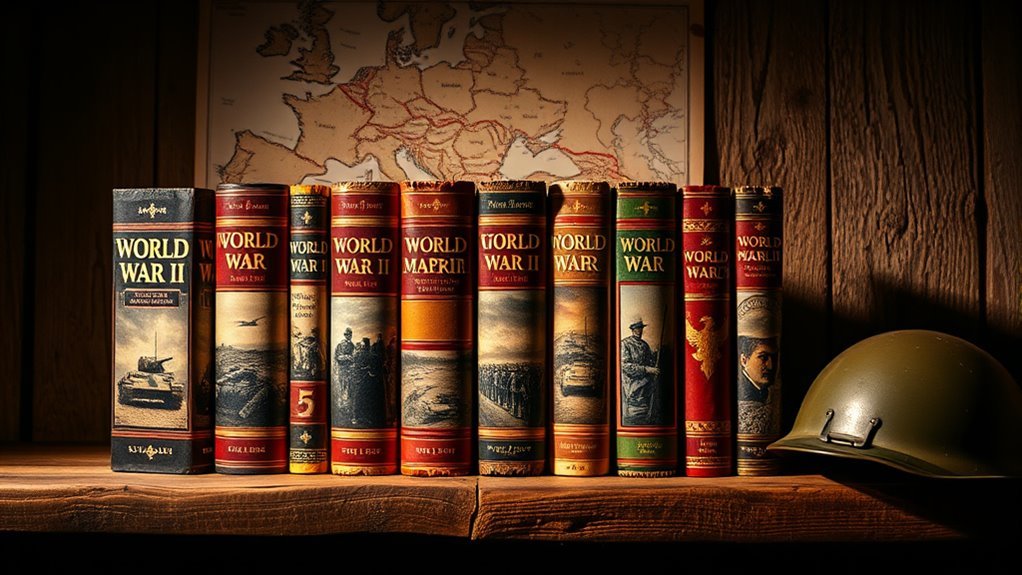
If you’re a history buff, you can’t miss these seven must-read World War II books. Start with “World War II: The Definitive Visual History” for a thorough overview. “Against All Odds” shares true survival stories, while “The Forgotten 500” reveals a daring rescue mission. Add “World War II Map by Map” for geographic insights, and appreciate personal narratives in “The Boys in the Light.” Explore “They Lie Around in Heaps” for a gritty look at the Eastern Front. You’ll uncover even more remarkable stories ahead.
World War II: The Definitive Visual History

“World War II: The Definitive Visual History” offers an engaging journey through one of the most pivotal events in our world. This visually stunning guide takes readers from the pre-war atmosphere to the enduring impacts of the conflict today, compellingly illustrating the stories behind the headlines.
Key insights from the book include:
- A structured timeline that makes navigating the complexities of the war both accessible and enjoyable.
- Hundreds of striking images and detailed maps that not only captivate but also deepen understanding of the material.
- Powerful firsthand accounts and biographical sketches of key figures, providing rich perspectives that bring history to life.
The writing style is clear and engaging, perfectly suited for visual learners and history buffs seeking to delve into the past. As you turn the pages, you encounter profound narratives, such as when an eyewitness reflects on D-Day, noting, “It was a day of bravery like none I had ever seen.”
Ultimately, “World War II: The Definitive Visual History” stands out as an essential resource. Its combination of compelling visuals and informative narratives makes it not just a book, but an experience that truly enriches our understanding of history. Whether you’re a seasoned historian or a curious newcomer, this book is a valuable addition to your collection, inviting you to explore the complexities of World War II like never before.
Against All Odds: WWII True Story of Survival

“Against All Odds: A True Story of Ultimate Courage and Survival in World War II” by bestselling author Alex Kershaw is a gripping account that immerses readers in the harrowing experiences of four decorated soldiers, including icons like Maurice Britt and Audie Murphy. As they traverse the brutal landscapes of war, the narrative unveils not only their extraordinary bravery but also the profound emotional burdens that come with heroism.
Key themes explored in the book include:
- Valor and Sacrifice: The immense courage required in the face of overwhelming odds.
- The Weight of Heroism: An exploration of the expectations and realities of being a war hero.
- Life After the Battlefield: Insight into the struggles many veterans face upon returning home.
Kershaw’s writing is both engaging and impactful, blending personal interviews with meticulous historical research to craft a vivid and compelling story. His ability to humanize the soldiers enables readers to connect deeply with their journeys. A standout moment from the book, as one soldier reflects on the chaos of battle, captures this perfectly: “In war, you find out what you’re made of, and sometimes it’s not pretty.”
The Forgotten 500: WWII Rescue Mission Story
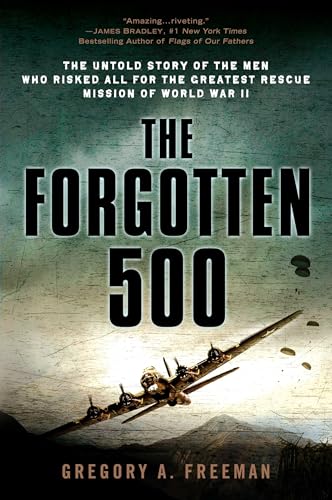
In “The Forgotten 500: WWII Rescue Mission Story,” readers are taken on an exhilarating journey through the courageous efforts of Operation Halyard, where the Office of Strategic Services (OSS) executed a daring rescue mission in 1944 to save over 500 American airmen stranded in Nazi-occupied Yugoslavia. This gripping tale reveals the extraordinary bravery of local Serbian farmers who risked their lives to provide shelter to these soldiers, showcasing an inspiring legacy of loyalty and self-sacrifice against a backdrop of global conflict.
Key themes include:
- Bravery and Sacrifice: The remarkable actions of ordinary individuals during extraordinary circumstances.
- Secrecy and Strategy: The complexities involved in covert military operations in wartime.
- Legacy of Unsung Heroes: Highlighting the contributions of those often lost in the larger narrative of history.
The writing style is engaging and deeply immersive, drawing readers into a well-crafted historical narrative that is both informative and compelling. Author’s vivid descriptions and attention to detail ensure that the reader is not just a passive observer but feels the tension and urgency of the mission. As one passage notes, “In the shadows of war, true heroism often shines brightest,” encapsulating the essence of the human spirit in the face of adversity.
World War II Map by Map (DK History Map by Map)

“World War II Map by Map” is a captivating exploration of one of history’s most pivotal conflicts, designed to engage both beginner and seasoned history lovers. Through over 100 meticulously crafted maps, this book unveils the complexities of World War II, offering insights from both the Allies and Axis perspectives. It invites readers to journey through the war’s profound impact with an abundance of stunning photographs and profiles of key figures, enhancing the narrative’s richness.
Key themes include:
- A comprehensive geographic understanding of the war through detailed maps.
- An engaging blend of visuals and text, simplifying complex events and ideas.
- In-depth biographies and historical context that breathe life into the accounts of leadership during wartime.
The writing style is accessible and engaging, with a structure that flows through its five organized chapters, making it easy for readers aged 12 and up to follow. One particularly striking passage reminds us, “Every map tells a story; each line and shape reflects the battles fought and the lives changed.”
This book is more than just a resource; it’s a vivid journey through history that brings the past to life. Perfect for students, casual readers, and military history enthusiasts, “World War II Map by Map” deserves a spot on your bookshelf for a richer understanding of the world we live in today. Dive in and let the maps guide your exploration of this monumental era!
The Boys in the Light: WWII Story of Survival

*The Boys in the Light: An Extraordinary World War II Story of Survival, Faith, and Brotherhood* captures the harrowing journey of Eddie Willner, a young Jewish boy fighting for survival amidst the horrors of WWII, alongside the valiant soldiers of Company D. As their paths converge, we witness an extraordinary testament to the resilience of the human spirit, illustrating the transformative power of faith and brotherhood in the face of unimaginable adversity.
Central themes include:
- Survival Against the Odds: Eddie’s struggle for life in a brutal world serves as a powerful reminder of the will to endure.
- Brotherhood in the Trenches: The bond formed between Eddie and the soldiers highlights the importance of companionship during dire times.
- Faith as a Beacon: The narrative explores how hope and belief can guide individuals through the darkest moments.
The writing is both evocative and impactful, immersing readers in the grim realities of war while simultaneously celebrating the strength of the human spirit. The author’s vivid descriptions create a palpable tension, inviting readers to deeply connect with the characters’ emotions. As one soldier reflects amidst chaos, “In our darkest hours, we found each other,” illustrating the book’s core message of unity and survival.
World War II: The Complete Story and Account
*World War II – The Total Story* is an immersive journey through one of history’s most pivotal conflicts, chronicling events from the initial invasion of Poland to the catastrophic dawn of the atomic age. This comprehensive volume offers readers not only a timeline of major battles across Europe, Africa, and the Pacific but also insightful profiles of key leaders and a deep dive into the military strategies that shaped the war’s outcome.
Key themes include:
- Detailed accounts of significant battles, providing clarity on their importance and impact.
- Profiles of influential leaders, shedding light on the personalities behind the strategies.
- An exploration of the profound effects on civilian life during the war, illustrating the human side of history.
The writing is accessible yet rich, making the complex history of World War II engaging for both enthusiasts and newcomers alike. With its structured organization into 100 chapters, readers will find it easy to navigate through various sections, enhancing their understanding of key events. As the author aptly states, “It is not just battles that change the course of history, but the resolve of the people living through those times.”
They Lie Around in Heaps: WWII Eastern Front

“They Lie Around in Heaps” by Leonhard März offers a visceral glimpse into the harrowing reality of the Eastern Front during World War II. Through poignant field letters, März vividly depicts the chaos and desperation of combat around Tarnopol in 1944, capturing the essence of a soldier’s struggle against overwhelming odds. This gripping narrative invites readers to understand not just the events, but the profound emotional toll that relentless warfare inflicts on those who live it.
Key themes include:
- The brutal realities of battle and the staggering casualties faced.
- The emotional and psychological impact of continuous conflict on soldiers.
- The often-overlooked stories of individual experiences during a monumental chapter in military history.
März’s writing style is both raw and poignant, allowing readers to feel the fear and bitterness embedded in his words. His descriptions transport you to the front lines, making history personal and affecting. One powerful passage states, “Amidst the ruins, humanity is a fleeting shadow,” encapsulating the despair yet resilience experienced in such dire circumstances.
This book is essential for anyone interested in an authentic portrayal of war beyond the statistics. It sheds light on the harsh realities that soldiers endured and ensures that voices like Leonhard’s are not forgotten. Whether you’re a history buff or simply seeking a deeper understanding of the human experience during WWII, “They Lie Around in Heaps” is a compelling read that promises to leave a lasting impression.
Factors to Consider When Choosing World War II Books
When choosing World War II books, consider what’s most important to you. Think about the author’s background, the accuracy of the details, and how they present the story. You’ll also want to decide if you prefer visuals or a focus on specific events to shape your reading experience.
Historical Accuracy Requirement
How can you guarantee the World War II book you choose is historically accurate? First, look for the author’s credentials; expertise in military history or related fields means you’re likely getting credible insights. Next, compare multiple sources to verify facts; different narratives can offer a richer understanding of events. Check for primary sources like letters and photographs, as they enhance authenticity and provide human perspectives on the war. Be mindful of any biases in the text, as they can influence historical accuracy. Finally, examine citations, references, and a bibliography; they indicate thorough research and solidify the book’s foundation in well-documented evidence. Prioritizing these factors will help guarantee you select an accurate representation of World War II.
Author Credentials and Experience
Understanding the historical accuracy of a World War II book is only part of the equation; the author’s credentials and experience also play a significant role in choosing a reliable account. Authors with military backgrounds or degrees in history often bring a level of expertise that enhances the credibility of their insights. Their experience in research and access to primary sources can deepen the narrative, allowing for detailed accounts and unique personal stories. Look for authors who have written multiple works on the subject, as this often indicates a pattern of expertise. Recognition from peers, such as awards or favorable reviews, can highlight the quality of their work, reflecting their dedication to offering trustworthy perspectives in World War II literature.
Narrative Style Preference
What kind of narrative style resonates with you when exploring World War II literature? If you’re drawn to immersive personal narratives, you’ll likely connect more deeply with individual experiences, allowing emotional ties to historical events. Alternatively, if you prefer a structured overview, look for books with detailed chronological storytelling that highlight key battles and political dynamics. Eyewitness accounts and personal letters can also reveal the human side of war, showcasing the psychological impact on soldiers and civilians. You might enjoy works that blend factual analysis with engaging storytelling, providing broader context while keeping you interested. Ultimately, evaluate the author’s narrative style; whether journalistic or creative nonfiction, each approach uniquely shapes your reading experience.
Visual Content Inclusion
Visual content like historical photographs and maps can greatly enhance your reading experience when exploring World War II literature. Books that include detailed maps help you grasp the geographical scope of battles, making complex logistics much clearer. Incorporating personal letters and documents provides an intimate glimpse into soldiers’ lives, revealing their thoughts and emotions amid the broader conflict. You’ll find that color photographs and artifacts evoke stronger emotional responses, bridging the gap between facts and the human experiences behind them. Educational materials featuring visual elements often present timelines alongside images, creating a chronological connection between events and their visual representations. When choosing your next World War II book, prioritize those rich in visual content to deepen your understanding and engagement.
Focus on Key Events
When exploring World War II literature, focusing on key events can greatly enhance your understanding of the conflict’s complexities. Immerse yourself in pivotal moments like the bombing of Pearl Harbor and D-Day, which shaped the war’s direction and outcome. The atomic bombing of Hiroshima signifies a critical turning point, showcasing the devastating power of nuclear weapons. Don’t overlook significant battles like Stalingrad and Midway—these were game-changers that influenced troop morale and subsequent military campaigns. Also, consider the daring OSS Operation Halyard, which saved over 500 American airmen, emphasizing the role of covert operations. Eyewitness accounts and personal narratives from these events offer invaluable insights into the human experience of war, deepening your appreciation for the historical impact.
Theme Exploration Depth
Diving into the vast sea of World War II literature requires careful consideration of the themes that resonate most with you. Explore narratives of courage and survival that spotlight individual experiences and the trials soldiers faced. Look for books that highlight the human cost of conflict, illustrating its impact on both military personnel and civilians for a broader understanding of the war. Investigate military strategies and significant battles to grasp the operational decisions made during the conflict. Assess the historical context surrounding political alliances, setbacks, and the evolution of warfare, enriching your reading experience. Finally, seek out firsthand accounts or lesser-known stories of resilience and sacrifice, ensuring a well-rounded exploration of this pivotal moment in history.
Target Audience Suitability
How can you guarantee that the World War II books you choose match the interests and needs of your audience? Start by considering their age and reading level, ensuring the content engages them effectively. If you’re selecting for history students or educators, look for thorough texts that provide educational frameworks. For casual readers, personal narratives might be more appealing. Don’t forget visual elements; maps and photographs can really enhance the experience, especially for younger audiences or beginners. Also, assess their emotional and intellectual maturity—books that portray the human experience of war can impact adolescents differently than adults. Finally, think about themes and narrative styles; choosing between action-packed tales and deeper ethical discussions will guide you to the right fit.
Length and Complexity Consideration
Selecting the right World War II book involves understanding both its length and intricacy, as these factors greatly impact your reading experience. Consider the length; detailed accounts may exceed 500 pages, while shorter narratives could be under 200 pages. This will affect how much time you can dedicate to reading. Complexity varies too—some texts explore intricate military strategies, while others focus on personal stories that are easier to grasp. Pay attention to the book’s organization, as clear chapters and sections enhance navigation through complex events. Additionally, visuals can help simplify dense topics, making them more relatable, especially if you’re a visual learner. Verify the book matches your reading level for the best engagement and understanding.