

7 Best Books on Utilitarianism That Every Philosophy Lover Should Read

Open your mind to the fundamental concepts of utilitarianism through these seven essential reads that every philosophy enthusiast must explore to deepen their understanding.

If you’re a philosophy lover, you’ll want to explore these seven essential books on utilitarianism. Start with John Stuart Mill’s “Utilitarianism” to grasp the core principles. “On Liberty, Utilitarianism and Other Essays” offers insights on individual rights. “Utilitarianism and Other Essays” contrasts Mill with Bentham’s views, while “An Introduction to Utilitarianism” links theory to practice. Finally, “Utilitarianism: A Very Short Introduction” simplifies complex ideas. Each book enhances your understanding and could shape your perspective on ethics.

Utilitarianism

If you’re eager to enhance your understanding of ethical philosophy, “Utilitarianism” by John Stuart Mill is a must-read. This seminal text illuminates the principle of utility, asserting that the moral worth of actions is determined by their ability to maximize happiness for the greatest number. Mill artfully navigates the terrain of moral decision-making, compelling readers to reflect on the implications of their choices while distinguishing between higher pleasures, such as intellectual advancement, and mere physical satisfaction.

Key themes explored in the book include:

  • The principle of utility as a guiding force in ethics
  • The critical difference between higher and lower pleasures
  • The balance between the pursuit of happiness and individual rights

Mill’s writing is both clear and thought-provoking, making complex ideas accessible without sacrificing depth. He writes, “Pleasure and freedom from pain are the only things desirable as ends,” a sentiment that encapsulates his utilitarian philosophy and invites readers to ponder their own values and priorities.

On Liberty, Utilitarianism and Other Essays (Oxford Worlds Classics)

“On Liberty, Utilitarianism and Other Essays” is a thought-provoking collection by John Stuart Mill that delves into the intricate interplay between individual freedoms and societal expectations. Mill’s compelling examination of the tension between personal liberty and the will of the majority makes this book not merely a historical artifact but a relevant guide for navigating today’s socio-political landscape.

Key themes explored in Mill’s essays include:

  • The justification of interference only to prevent harm to others.
  • The importance of individual rights in fostering a just society.
  • The balance between social responsibility and personal freedom.

The writing style is both articulate and rich, with Mill’s prose encouraging readers to ponder deeply about the implications of his arguments. His ability to weave philosophy with accessibility is commendable, making complex ideas digestible. One memorable quote, “Over himself, over his own body and mind, the individual is sovereign,” encapsulates Mill’s core belief in personal autonomy.

Utilitarianism

For anyone intrigued by ethical theories, “Best Books on Utilitarianism” serves as an accessible entry point into the thought-provoking world of John Stuart Mill. This exploration reveals Mill’s refined perspective on utilitarianism, where actions must aim to “maximize happiness for the greatest number.” As readers navigate Mill’s complex ideas, they’re prompted to grapple with fundamental questions surrounding ethics and the nature of happiness.

Key themes explored in this book include:

  • The foundational principles of utilitarianism, adapted by Mill for contemporary understanding.
  • The interplay between happiness and ethics, positioning well-being as central to moral reasoning.
  • Critical examinations of how general principles translate into practical applications.

Although the writing style occasionally leans towards density, the journey through Mill’s arguments is rewarding. Couple this with a few formatting quirks, such as small font sizes, and you may experience moments of difficulty. However, moments of clarity shine through, exemplified by thought-provoking lines like, “Actions are right in proportion as they tend to promote happiness.”

Ultimately, “Best Books on Utilitarianism” is an essential read for philosophy lovers eager to dive deep into utilitarian thought and its enduring implications. It’s a compact yet profound reflection that not only enhances understanding but also elevates the reader’s awareness of their ethical stance in the world. If you’re ready to engage with foundational ideas that challenge and inspire, this book is definitely worth your time.

Utilitarianism and Other Essays

“Utilitarianism and Other Essays” is a thought-provoking collection that invites readers to explore the intricate foundations of moral philosophy. This compilation immerses you in the ideological tussle between Jeremy Bentham’s rigid utilitarianism and John Stuart Mill’s more nuanced interpretation, shaped by his personal experiences. The essays not only shed light on the historical significance of utilitarian thought but also demonstrate its profound impact on contemporary social issues like climate change and reproductive rights.

Key themes include:

  • The contrast between Bentham’s strict principles and Mill’s flexible approach.
  • The influence of utilitarianism on modern liberal political thought.
  • Engaging discussions around pressing ethical dilemmas that remain relevant today.

The writing is engaging and accessible, effectively weaving complex philosophical arguments into a narrative that feels both approachable and enriching. Alan Ryan’s insightful introduction sets the stage beautifully, enhancing the overall reading experience.

One passage that resonates deeply is, “It is better to be a human being dissatisfied than a pig satisfied; better to be Socrates dissatisfied than a fool satisfied.” This encapsulates the essence of Mill’s views, igniting curiosity about the complexities of happiness and moral choice.

Utilitarianism (Annotated)

“Utilitarianism” by John Stuart Mill is a thought-provoking exploration of the moral philosophy that advocates for the greatest good for the greatest number. Mill delves into the underpinnings of ethical decision-making, illustrating how actions should be evaluated based on their consequences. This edition promises to illuminate Mill’s ideas with annotations that enhance understanding, guiding readers through the intricacies of utilitarian thought.

Key themes and ideas include:

  • The definition of utility and its central role in ethical deliberation.
  • The distinction between higher and lower pleasures.
  • The imperative of moral actions leading to the overall happiness of society.

Mill’s writing is both accessible and incisive, encouraging readers to reflect critically on their own moral frameworks. His famous assertion that “actions are right in proportion as they tend to promote happiness” is a powerful reminder of the philosophy’s core principle.

While some readers may find that this annotated edition falls short in providing the expected annotations, the text itself remains a vital resource in understanding utilitarianism. Mill’s eloquence and logical structuring make the philosophical arguments resonate, drawing readers into vital conversations about ethics that remain relevant today.

An Introduction to Utilitarianism: From Theory to Practice
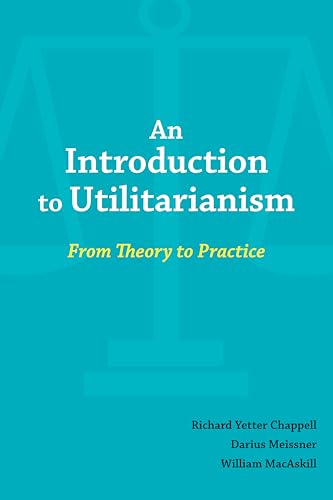
“An Introduction to Utilitarianism: From Theory to Practice” by Prof. Richard Chappell is a compelling exploration of ethical decision-making that reveals the transformative potential of utilitarianism. This book elegantly articulates the principle that actions are deemed right if they maximize well-being, while debunking common misconceptions that often cloud this philosophy. With practical applications like adopting a flexitarian diet or donating to charitable causes, Chappell invites readers to reflect on their own moral choices and the broader implications of their actions.

Key themes and ideas include:

  • The clarity of utilitarian ethics and its role in guiding ethical behavior.
  • Practical recommendations for ethical living and personal responsibility.
  • A challenge to rethink and engage with moral philosophy in contemporary contexts.

The writing style is both accessible and engaging, making complex ethical theories relatable and easy to digest. Chappell’s ability to weave theory with practice shines through: “To act ethically is to consider the well-being of others and the ripple effects of our choices.” Such insights encourage readers to not only ponder moral philosophy but to actively incorporate it into daily life.

Utilitarianism: A Very Short Introduction

“Utilitarianism: A Very Short Introduction” is a must-read for anyone curious about ethical theory or looking for a clear yet thought-provoking entry into utilitarianism. Authored by the esteemed Peter Singer and Katarzyna de Lazari-Radek, this compact guide dives into the foundational principles of utilitarian thought while tackling common criticisms with finesse. By exploring the works of seminal philosophers such as Jeremy Bentham and John Stuart Mill, readers will uncover enduring themes that continue to shape moral philosophy today.

Key themes covered in the book include:

  • The historical development of utilitarianism.
  • Distinctions between Preference and Classical Utilitarianism.
  • An examination of contemporary objections and responses.

Singer and de Lazari-Radek present the material in a straightforward, engaging manner that makes even the most intricate ideas accessible to newcomers. Their clear and concise writing, combined with an inviting structure, allows readers to absorb the nuanced discussions without feeling overwhelmed. As Singer eloquently states, “The greatest happiness is the measure of right and wrong,” encapsulating the essence of this moral framework.

Factors to Consider When Choosing Utilitarianism Books

When you’re choosing books on utilitarianism, you’ll want to reflect on the author’s expertise and perspective to guarantee you’re getting reliable insights. It’s also important to look for clarity in writing style and whether the book discusses the historical context of utilitarianism. Finally, think about how well the book explains complex theories and their practical applications in real life.

Author Expertise and Perspective

While exploring books on utilitarianism, you’ll want to evaluate the author’s academic credentials and expertise. Established philosophers like John Stuart Mill and Jeremy Bentham provide foundational insights that distinctly shape the theory. In contrast, contemporary writers such as Richard Chappell and Peter Singer often emphasize practical applications, tackling modern ethical dilemmas. Look for books that balance historical context with present-day relevance, as this can deepen your understanding of ongoing debates. Pay attention to the author’s approach; some defend utilitarianism against critiques, while others engage critically with its limitations. Additionally, authors who incorporate personal anecdotes or case studies may enhance your practical understanding and prompt reflections on applying utilitarian ethics in everyday life.

Clarity of Writing Style

Authors’ expertise sets the groundwork for your exploration of utilitarianism, but the clarity of their writing style can make all the difference in how you understand these complex concepts. Clear writing enhances accessibility, helping you engage with utilitarian principles more easily. Books like John Stuart Mill’s “Utilitarianism” demonstrate that lucid explanations cater to both scholars and newcomers, showing the impact of effective communication. Texts that blend real-life examples with theoretical arguments profoundly boost your comprehension and application of utilitarianism in daily life. An accessible style encourages critical thinking and self-reflection, challenging your existing beliefs and helping you form your ethical perspectives. Remember, dense prose can hinder understanding, so prioritize clarity in your reading choices.

Historical Context Provided

Understanding the historical context of utilitarianism is essential for grasping its nuances and implications. Originating in the 18th century, key figures like Jeremy Bentham and John Stuart Mill shaped its foundational principles during the transformative Victorian era. This period of social and political change greatly influenced ideas about individual rights and societal happiness. Initially tied to reform movements addressing injustices like slavery and women’s rights, utilitarianism aimed to enhance societal well-being. However, its decline in the late 19th and early 20th centuries was partly due to associations with social Darwinism and eugenics. Today, as utilitarianism resurges in ethical debates, understanding its historical evolution is crucial for appreciating its relevance and addressing contemporary moral dilemmas.

Complexity of Theories Explained

When exploring the complexity of utilitarianism, consider the varying depth and approaches each book offers. Some texts provide straightforward explanations focused on maximizing happiness, while others investigate intricate discussions on higher and lower pleasures, as John Stuart Mill articulated. Keep in mind that critiques often highlight the challenges of measuring happiness and applying the principle of utility to real-life dilemmas. Also, the historical context shapes different interpretations, with Jeremy Bentham’s rigid approach contrasting with Mill’s emphasis on individual rights. Misunderstandings may arise from its perceived justification of harmful outcomes, making it essential to examine its moral framework. Finally, gauge the accessibility of each book, as some require a solid foundation in philosophy to fully appreciate their arguments.

Practical Applications Discussed

As you explore books on utilitarianism, consider how practical applications influence your choice. Utilitarianism emphasizes maximizing happiness and minimizing suffering, making it a valuable framework for ethical decision-making in various contexts, from public policy to personal lifestyle choices. Look for books that not only explain the principles but also showcase real-world applications, such as adopting a flexitarian diet or supporting initiatives that alleviate global poverty. Understanding the principle of utility can help you evaluate actions based on their consequences for overall well-being. Be mindful of misconceptions surrounding the focus on outcomes, and seek texts that clarify how utilitarianism promotes ethical behavior and social progress through personal reflection and critical evaluation of contemporary issues.

Target Audience Consideration

Choosing the right book on utilitarianism means considering who will be reading it. Think about your audience’s familiarity with philosophy; some may need a foundational understanding, while others might be beginners. Different texts cover various interests, like historical context or practical applications, so it’s important to match the depth and complexity with your readers. Also, assess their preferred reading level—some books are dense and academic, while others are clearer and more accessible. Determine if they seek a thorough overview, practical examples, or critical examinations, as these focuses can vary between authors. Finally, consider annotated editions; they can be beneficial for newcomers, providing extra context and explanations to enhance understanding.

Critical Reception and Influence

Understanding the critical reception and influence of utilitarianism can prominently shape your choice of books on the subject. John Stuart Mill’s “Utilitarianism” is both praised for its clarity and critiqued for its dense writing. When exploring “On Liberty, Utilitarianism and Other Essays,” you’ll find it well-received, especially for its relevance to modern democracy and individual rights. It’s important to note that utilitarianism greatly influenced liberal politics, focusing on maximizing happiness without always acknowledging its philosophical roots. Unfortunately, its association with negative ideologies like social Darwinism tarnished its reputation in the late 19th and early 20th centuries. Contemporary works, such as “An Introduction to Utilitarianism,” directly address these critiques, providing a more balanced view and encouraging personal moral reflection.

Thematic Depth and Relevance

When exploring books on utilitarianism, it’s important to reflect on thematic depth and relevance, particularly how they address the moral implications of maximizing happiness and minimizing suffering. Look for texts that delve into the complexities of pleasure, especially John Stuart Mill’s differentiation between higher and lower pleasures. This understanding can enhance your ethical decision-making. Engaging with contemporary critiques helps clarify utilitarianism’s practical applications in modern issues like climate change and individual rights. Additionally, books that contextualize utilitarianism within historical and philosophical frameworks offer an all-encompassing perspective on its evolution and challenges. Don’t overlook discussions on individual rights and liberty, as these themes are vital for balancing societal welfare with personal freedoms in utilitarian thought.

5 Best Editions of Thus Spoke Zarathustra for Every Philosophy Lover

Navigate through the top five editions of “Thus Spoke Zarathustra,” each offering unique insights that could reshape your understanding of Nietzsche’s philosophy. Discover which one suits you best!

If you want to explore Nietzsche’s “Thus Spoke Zarathustra,” choose editions like Capstone Classics for great presentation, Wordsworth Classics for accessibility, and Barnes & Noble Signature for powerful metaphors. Also, consider Kaufmann’s authoritative translation for clarity and deeper understanding. Each edition enriches the text, inviting you to engage with Nietzsche’s ideas. Stick around, and you’ll uncover more about this philosophical classic and how to find the perfect edition for you.

Thus Spoke Zarathustra: The Philosophy Classic (Capstone Classics)

In “Thus Spoke Zarathustra,” Friedrich Nietzsche invites readers on a profound exploration of the human condition, offering a unique perspective on power, morality, and the divine. This text, crafted as a philosophical novel, immerses you in the journey of Zarathustra as he grapples with themes of self-overcoming and the quest for meaning.

Key themes include:

  • The concept of the Übermensch (Overman) as a symbol of human potential.
  • The challenge of traditional morality and the call for personal values.
  • The cyclical nature of life and the idea of eternal recurrence.

Nietzsche’s writing style is both poetic and challenging, blending prose and verse in a way that captures the urgency of his reflections. He urges us with lines like, “Become who you are!”—a call to embrace our individual paths and reject conformity. The book’s structure allows for moments of deep reflection, inviting you to ponder alongside Zarathustra, enhancing your reading experience.

This Capstone Classics edition is perfect for anyone eager to engage deeply with Nietzsche’s thoughts. With quality paper and clear print, it makes for an enjoyable reading experience that encourages multiple readings to uncover its richness. “Thus Spoke Zarathustra” isn’t just a book; it’s a transformative encounter with ideas that challenge you to think differently about life and your own existence. Dive in and discover a work that resonates on both philosophical and personal levels.

Thus Spoke Zarathustra

In *Thus Spoke Zarathustra*, Friedrich Nietzsche invites readers on a profound journey through the complexities of human existence and morality. This philosophical masterpiece unfolds the narrative of Zarathustra, a prophet-like figure who shares revelations about concepts like the Overman and the implications of a Godless world. The text is both a parable and a challenge, engaging readers’ minds and prompting deep reflection about their beliefs and values.

Key themes include:

  • The exploration of the Overman as a symbol of human potential and transcendence.
  • The concept of eternal recurrence, urging us to confront our choices and their implications.
  • A critique of traditional morality and the impact of losing faith in divinity.

Nietzsche’s writing style is captivating and layered, combining poetic flair with philosophical depth. His biblical-inspired prose, rich in metaphors and aphorisms, draws readers in while demanding careful contemplation. As he famously states, “One must have chaos in oneself to give birth to a dancing star,” encapsulating the work’s essence: the necessity of grappling with inner turmoil to achieve greatness.

Thus Spake Zarathustra (Wordsworth Classics of World Literature)

“Thus Spake Zarathustra” by Friedrich Nietzsche is not just a philosophical treatise; it’s a riveting exploration of humanity’s potential for self-overcoming and the creation of one’s own values. In this seminal work, Nietzsche introduces the compelling concept of the “Superman,” inviting readers into a profound dialogue about aspiration and personal growth.

Key themes include:

  • Self-Overcoming: The journey toward realizing one’s true potential.
  • The Superman Concept: A vision of humanity that transcends traditional morality.
  • Individualism: A call to forge one’s own path in life.

The translation by Thomas Common is particularly noteworthy; it captures Nietzsche’s complex ideas with clarity while maintaining the lyrical qualities of the original text. Common’s attention to language helps in making dense philosophical concepts accessible, allowing readers to immerse themselves without feeling daunted. The high-quality print and paper make it a pleasure to hold and read, further enhancing the experience.

Nietzsche’s writing is both poetic and provocative. A notable passage reveals his vision: “One must still have chaos in oneself to be able to give birth to a dancing star.” This encapsulatory sentiment reflects the book’s deeper message of embracing one’s innermost turmoil to achieve greatness.

Thus Spoke Zarathustra (Barnes & Noble Signature Edition)

In “Thus Spoke Zarathustra,” Friedrich Nietzsche presents an exhilarating exploration of individuality, morality, and the human spirit through the journey of his prophet, Zarathustra. As he descends from his mountain retreat, Zarathustra invites readers to contemplate profound questions about existence, challenging conventional values and urging the embrace of one’s true potential. Through a series of poetic and philosophical discourses, Nietzsche intertwines themes of eternal recurrence and the overman, urging us to rise above societal norms and create our own paths.

Key themes include:

  • The Übermensch (Overman): A vision of humanity that transcends traditional morality to create new values.
  • Eternal Recurrence: The idea that life must be lived as if you would choose to experience it again, infinitely.
  • Critique of Religion: An examination of the limitations imposed by religious dogmas on human potential.

Nietzsche’s writing style in this work is rich and lyrical, weaving powerful metaphors and paradoxes that resonate deeply. His ability to blend narrative with philosophy creates a rhythm that keeps the reader engaged, while memorable lines like, “God is dead” and “Become who you are” encapsulate his radical ideas and provoke introspection.

“Thus Spoke Zarathustra” is not just a book; it’s an invitation to question the very foundation of your beliefs and to embrace the power of self-discovery. For those willing to engage with its depths, this iconic work offers insights that can fundamentally shift your perspective on life. Whether you’re a seasoned philosopher or a curious reader seeking to challenge your thoughts, this beautifully curated edition is a compelling addition to any bookshelf, delivering both intellectual stimulation and aesthetic pleasure.

Thus Spoke Zarathustra: A Book for All and None

“Thus Spoke Zarathustra” by Friedrich Nietzsche is a transformative exploration of the human condition, blending philosophy with poetic prose. The narrative follows the journey of Zarathustra, who descends from his mountain retreat to share profound revelations about life, identity, and the nature of existence. This adventurous tale invites readers to contemplate weighty themes such as the declaration that “God is dead,” the search for self-identity, and the pursuit of personal aspirations amid the chaos of modernity.

Key themes and ideas include:

  • The death of traditional beliefs and the implications for individual morality.
  • The quest for self-identity and personal empowerment.
  • Challenging societal norms and conventional wisdom.

Nietzsche’s writing style is both lyrical and challenging, showcasing a rich tapestry of ideas woven together with dense language that encourages deep reflection. As you navigate his nuanced prose, you’ll encounter thought-provoking passages like, “He who has a why to live can bear almost any how,” which captures the essence of resilience and purpose.

This book is not just a read; it’s an experience that dares you to examine your own values and beliefs. Nietzsche’s work is a beacon for those seeking to delve into existential questions and personal understanding. Whether you’re a seasoned philosopher or a curious newcomer, “Thus Spoke Zarathustra” promises insights that will resonate long after the final page is turned. In essence, it’s a journey worth taking—where every reader can find meaning that applies to their own life, making it truly a book for all and none.

Factors to Consider When Choosing Thus Spoke Zarathustra Books

When you’re choosing a copy of Consequently Spoke Zarathustra, consider the translation quality, as it can greatly impact your understanding. You’ll also want to think about the durability and presentation of the edition, ensuring it suits your reading habits. Finally, evaluate your own reading level and how deep you want to go into Nietzsche’s philosophy to find the edition that’s just right for you.

Translation Quality Importance

Choosing the right translation of “Thus Spoke Zarathustra” is essential for truly grasping Nietzsche’s philosophical nuances. Different translations can alter the clarity and meaning of his intricate ideas. For instance, Thomas Cotton’s 1909 translation is often criticized for its biblical-style language and lack of genuine scholarship, which may confuse readers. In contrast, Walter Kaufmann’s version is renowned for its authority and clarity, making Nietzsche’s complex themes more accessible. While the Common translation offers thoroughness, its dense prose resembles the King James Bible, potentially hindering comprehension. A high-quality translation not only enriches your reading experience but also allows for deeper engagement with Nietzsche’s profound concepts, helping you reflect on his meaningful insights more effectively.

Edition Durability and Presentation

Engaging with Nietzsche’s “Thus Spoke Zarathustra” goes beyond the translation you select; the durability and presentation of the edition you choose play significant roles in your reading experience. You’ll want to look for high-quality paper and clear print, like in the Capstone Classics edition, for an enjoyable time. The Wordsworth Classic edition offers improved prints and better durability at an affordable price. However, be cautious of some hardcover editions, such as the Barnes & Noble version, which may have binding issues, causing uneven pages that hinder your experience. Since a well-constructed book stands up to repeated readings, choosing an aesthetically pleasing and structurally sound edition can enrich your engagement with Nietzsche’s complex themes.

Reading Level Consideration

Understanding the reading level of “Thus Spoke Zarathustra” is essential if you want to appreciate its richness fully. The text features a complex and poetic style that often requires you to have a grasp of foundational philosophical concepts. Many readers find themselves rereading sections to catch the depth of Nietzsche’s language and layered meanings. Dense metaphors and aphorisms can complicate your experience, especially if you’re new to Nietzsche’s ideas or philosophical terminology. To enhance your understanding, consider engaging with supplementary materials or introductory texts about his philosophy. Generally, this book isn’t recommended for casual readers seeking simple narratives, so make sure you’re prepared for a challenging yet rewarding literary journey.

Philosophical Depth Exploration

When selecting an edition of “Thus Spoke Zarathustra,” consider the philosophical depth that sets this work apart from simpler narratives. Nietzsche explores complex themes like the affirmation of life, the Overman, and the consequences of the death of God. His use of parables and metaphors invites you to engage deeply with the text, often requiring multiple readings to uncover its layered meanings. Key concepts such as eternal recurrence challenge you to reflect on the moral weight of your actions in an endlessly repeating life. The critique of conventional morality pushes you to examine your beliefs and the potential for self-overcoming in a Godless world. Embrace Nietzsche’s dense style with patience for meaningful insights.

Additional Study Recommendations

The intricacies of Nietzsche’s “Thus Spoke Zarathustra” can be further appreciated with the right supplementary materials. Begin with texts like “Beyond Good and Evil” to deepen your understanding of Nietzsche’s philosophical context and vocabulary. Engaging with Leonard Bernstein’s lecture on Richard Strauss’s interpretation can also clarify the themes and insights within the text. You might find introductory books on Nietzsche’s philosophy invaluable for building a solid foundation before tackling Zarathustra itself. Additionally, joining reading groups or online forums can enhance your experience, allowing you to discuss and interpret complex ideas with others. Don’t forget to revisit challenging passages; reflection will help you uncover the multiple layers hidden within Nietzsche’s dense prose.

The 6 Best Books on The Myth of Sisyphus That Every Philosophy Buff Should Read

Beneath the surface of absurdity lies profound wisdom—discover the six must-read books on “The Myth of Sisyphus” that will challenge your thoughts.

If you’re into existentialism and absurdity, you can’t miss these six essential books on “The Myth of Sisyphus.” Start with Camus’s original essay for profound insights. Explore “Myth of Sisyphus: And Other Essays” for broader context. Consider the Spanish edition if you prefer that language. Don’t overlook “Great Ideas Myth of Sisyphus” for a concise version. Each of these books enriches your understanding of Camus’s themes and philosophies. There’s much more to uncover about these enchanting ideas.

The Myth of Sisyphus

Book Review: The Myth of Sisyphus by Albert Camus

In “The Myth of Sisyphus,” Albert Camus delves into the absurdity of life, inviting readers to contemplate the human condition through the myth of Sisyphus, a figure eternally condemned to roll a boulder up a mountain only for it to roll back down again. The narrative explores themes of existentialism, the search for meaning, and the beauty that can be found in the struggle itself.

Key themes include:

  • Existential Absurdity: The conflict between our desire for order and the chaotic nature of the universe.
  • Rebellion against Nihilism: Finding value and purpose in a seemingly indifferent world.
  • Personal Freedom: Embracing our freedom in the face of life’s inherent meaninglessness.

Camus’s writing is both poetic and thought-provoking, weaving philosophical inquiry with a personal touch that encourages readers to reflect deeply on their own lives. His style, though challenging at times due to translation issues and typographical errors, often bursts with brilliance. As he eloquently states, “The struggle itself toward the heights is enough to fill a man’s heart,” reminding us that the journey is what ultimately shapes our existence.

Myth Of Sisyphus: And Other Essays, The

In “The Myth of Sisyphus: And Other Essays,” Albert Camus invites readers into the profound realms of existential thought, illuminating the intricate dance between absurdity and meaning. Through his exploration of the famed Greek myth, Camus engages us in a conversation about life’s inherent struggles, suggesting that the very act of confronting the absurd can lead to personal liberation. This book serves as a thought-provoking bridge into the philosophical domains of existentialism and absurdism.

Main themes and ideas include:

  • The concept of the absurd and how it shapes human experience.
  • The search for meaning in a seemingly indifferent universe.
  • The idea of embracing life’s struggles as a path to personal freedom.

Camus’s prose is both lyrical and incisive, making complex philosophical ideas accessible to a broader audience. His writing resonates with clarity and passion, particularly in the titular essay—“One must imagine Sisyphus happy.” This powerful statement encapsulates the essence of finding joy despite life’s challenges and has become emblematic of his philosophical stance.

If you are curious about the nature of existence and seeking a thought-provoking introduction to existential thought, “The Myth of Sisyphus” is a must-read. Camus’s ability to blend profound insights with captivating narratives ensures that this book will leave a lasting impression on any reader willing to ponder the depths of human experience. Whether as a starting point for philosophical inquiry or a reflective companion for any stage in life, this collection deserves a place on your shelf.

The Myth of Sisyphus

In “The Myth of Sisyphus,” Albert Camus immerses readers in the profound waters of existential philosophy, grappling with the Absurd—the tension between our search for meaning and the indifferent universe. With a stirring call to embrace life amidst its inherent meaninglessness, Camus invites us to revolt, find freedom, and live passionately. This exploration encourages a celebration of beauty and joy, urging individuals to define their own meaning.

Key themes include:

  • The nature of the Absurd and its impact on human existence.
  • The importance of personal agency and authentic living.
  • The blend of philosophical inquiry with engaging literary examples.

Camus’s writing is both rich and accessible, weaving together thought-provoking ideas with a poignant narrative style. Passages like “One must imagine Sisyphus happy,” beautifully encapsulate his perspective, challenging readers to find joy amid struggle.

Ultimately, “The Myth of Sisyphus” is more than a philosophical treatise; it’s a powerful testament to the human spirit’s resilience. For those seeking to navigate life’s uncertainties with courage and grace, this book is a must-read—offering both inspiration and a fresh lens through which to view our place in the world. Dive into Camus’s world and discover how you can cultivate your own sense of purpose amidst the chaos.

THE MYTH OF SISYPHUS

In “The Myth of Sisyphus,” Albert Camus delves into the absurdity of human existence, exploring the relentless struggle for meaning in a seemingly indifferent universe. Through the metaphor of Sisyphus, a figure condemned to roll a boulder up a hill only for it to roll back down each time, Camus illustrates the human condition and the persistent quest for significance despite inherent futility. This profound essay ignites a reflection on existentialism that resonates with readers grappling with life’s deeper questions.

Key themes include:

  • The Absurd: Examining the clash between humans’ desire for meaning and the silent universe.
  • Rebellion and Acceptance: The idea that one can find freedom in accepting the absurdity of their situation.
  • Personal Responsibility: Encouraging individuals to create their own values and meaning.

Camus’s writing is both lyrical and philosophical, seamlessly blending clear prose with deep introspection, making complex concepts accessible and engaging. The book invites readers to contemplate lines such as, “The struggle itself towards the heights is enough to fill a man’s heart,” which encapsulates the essence of embracing one’s individual journey despite its hardships.

Though some editions may suffer from printing inconsistencies, the ideas presented in “The Myth of Sisyphus” remain impactful and enduring. This timeless work is not only a staple of philosophical literature but also a source of inspiration for those seeking to navigate their own existence in the face of the absurd. It’s worth picking up, as its insights can spark profound personal reflections on life and meaning that echo long after the final page.

The Myth of Sisyphus (Spanish Edition)

The Myth of Sisyphus (Spanish Edition) by Albert Camus invites readers on a thought-provoking journey into the heart of existential philosophy. Through the lens of the mythological figure Sisyphus, Camus explores the inherent absurdity of human life, raising essential questions about the search for meaning in a seemingly indifferent universe. This edition delves deeply into the clash between our desires for significance and the chaos of existence, challenging us to find joy in our struggles.

Key themes include:

  • The absurdity of existence and our attempts to navigate it.
  • A profound examination of life’s meaning and our responses to its challenges.
  • The idea of embracing the freedom that comes from accepting life’s absurd nature.

Camus’ writing style is both dense and lyrical, combining philosophical depth with beautiful prose that captivates readers. His ability to convey complex ideas with emotional resonance is evident, making the exploration of existentialism both engaging and impactful. One memorable line states, “One must imagine Sisyphus happy,” a reminder that even in our perpetual struggles, we can find contentment.

Reading The Myth of Sisyphus is an enriching experience that encourages introspection. Its exploration of existential themes offers both comfort and challenge, making it a worthy addition to the bookshelf of anyone seeking deeper understanding of the human condition. Whether you are well-versed in philosophy or just curious about existential questions, this book is sure to provoke thought and inspire reflection.

Great Ideas Myth of Sisyphus (Penguin Great Ideas)

In “Great Ideas Myth of Sisyphus,” Albert Camus invites readers into a profound exploration of absurdism and the human experience. This pivotal work reflects on the struggle of existence itself, as Camus uses the mythological figure of Sisyphus to illustrate the search for meaning in an indifferent universe. It’s an essential read for anyone pondering life’s profound questions and grappling with their place in a seemingly chaotic world.

Key themes include:

  • Absurdism & the Human Condition: An inquiry into the inherent absurdity of life and how we respond to it.
  • Resilience Amid Struggles: Suggests that our efforts, even when seemingly futile, hold intrinsic value.
  • Personal Connection: Encourages readers to find solace and meaning in their own struggles against fate.

Camus’s writing is both dense and elegantly crafted, making for a contemplative yet accessible journey through complex philosophical ideas. His prose is rich, inviting readers to pause and reflect on statements like, “One must imagine Sisyphus happy,” a testament to finding joy in the relentless challenge of existence.

This book is not just philosophy; it is a meditation on life that resonates with the soul. Despite some production flaws, the depth and quality of Camus’s insights make “Great Ideas Myth of Sisyphus” a valuable addition to any philosophical library. For those seeking a meaningful exploration of existence and the human experience, this book is not to be missed.

Factors to Consider When Choosing The Myth of Sisyphus Books

When you’re choosing a book on The Myth of Sisyphus, you’ll want to contemplate several key factors. These include the quality of translation, print standards, and the philosophical depth presented. Don’t forget to think about size for portability and how the price compares to the value you’re getting.

Translation Quality Importance

Choosing the right edition of “The Myth of Sisyphus” hinges on the quality of its translation, since a poorly translated text can obscure the profound philosophies Albert Camus explores. You’ll find that translation quality markedly impacts your comprehension and enjoyment. Many editions suffer from issues like misused words and typos, creating confusion about key concepts. Inconsistent translations can alter Camus’s arguments about absurdism and existence, so it’s vital to pick an edition that accurately reflects the original French text’s nuances. High-quality translations enhance clarity and maintain the poetic intensity of Camus’s prose, allowing you to fully appreciate the emotional weight of his insights and engage deeply with the material.

Print production standards play an essential role in the overall reading experience of “The Myth of Sisyphus.” You’ll want to take into account factors like publication information, as this guarantees authenticity and provides context about the edition’s history. Verify the book features consistent font and paper quality for a more pleasant reading experience. Typos, poor translation, and inadequate editing can ruin comprehension and enjoyment, so look for editions with strong quality control. A well-produced book should also prevent repetitive text and missing content, enhancing its overall value. Finally, check for appropriate text justification and sizing; these factors maximize readability, especially for supplementary content like footnotes or essays. Remember, quality matters in philosophical texts!

Philosophical Depth and Clarity

The quality of print production inevitably influences your engagement with “The Myth of Sisyphus,” but the philosophical depth and clarity of the content are what truly shape your understanding. Camus explores the Absurd, illustrating the struggle between our search for meaning and the universe’s indifference. Pay attention to translation quality; a poorly executed version can muddle his intent and diminish your insights. Key themes like revolt, freedom, and passion are essential to grasp how we can live fully despite life’s inherent lack of meaning. While Camus’ writing is dense, it’s packed with existential insights that deepen your comprehension of the human condition. His literary examples, such as Don Quixote, reinforce how embracing futility can enrich your experience of existence.

Size and Portability Features

When considering which edition of “The Myth of Sisyphus” to pick, size and portability play an essential role in your reading experience. Many editions are designed to be carry-friendly, making them perfect for reading on the go. Look for smaller versions that offer less physical weight, enhancing mobility during your daily commutes or travels. However, keep in mind that typography and formatting can affect legibility; pocket-sized editions often have smaller font sizes that may strain your eyes. You might also prefer editions that combine portability with aesthetic appeal, as a well-designed book can enhance your enjoyment while remaining compact. Consider these factors to guarantee you choose the right edition for your lifestyle.

Price and Value Comparison

Choosing the right edition of “The Myth of Sisyphus” involves more than just size and portability; price and value are significant factors as well. The print quality of different editions can vary widely, with some criticized for poor aesthetics or repeated text. You might find digital editions appealing, as they often avoid the costly issues of physical copies. While cheaper options exist, many readers report that they sacrifice the experience due to low-quality translations and editing. Higher-priced editions may offer better clarity and professionalism, making them worthwhile investments for serious readers. Customer reviews often reflect that spending more correlates with a greatly enhanced reading experience, so choose wisely to guarantee you’re getting value for your money.

Textual Integrity and Completeness

Selecting a complete and accurate version of “The Myth of Sisyphus” is crucial; otherwise, you risk missing essential content that could impact your understanding of Camus’ philosophy. Look for editions that are verified for completeness, as some may have missing paragraphs or repeated content. Pay attention to translation accuracy, since inaccurate translations can lead to confusion and misinterpretation. It’s also helpful to read feedback on the book’s editorial quality—typographical errors or formatting issues can disrupt your reading flow. Finally, consider the physical quality of the book; issues like torn edges or poor print quality can affect your overall experience. Prioritizing these factors guarantees you fully grasp Camus’ insights.

Author’s Reputation and Style

Although Albert Camus is often compared to contemporaries like Jean-Paul Sartre, his reputation as a writer is bolstered by a clarity and accessibility that many readers appreciate. His philosophical clarity combined with poetic intensity draws you into complex themes like absurdism and nihilism, making the reading experience both dense and rewarding. While some might find his style self-indulgent, the insights in “The Myth of Sisyphus” resonate powerfully with those grappling with existential questions. However, remember that translation quality matters. A poor translation can obscure Camus’s intended meaning, diminishing your understanding of key concepts. So, when choosing a book, pay attention not just to the content but also to the translator’s skill to truly grasp Camus’s profound thoughts.

Thematic Relevance to Readers

The thematic relevance of “The Myth of Sisyphus” deeply resonates with anyone contemplating existence and the search for meaning. This work offers profound insights into absurdism, nihilism, and existentialism, making it essential for readers exploring these concepts. Camus illustrates the Absurd, showing how we can forge meaning through revolt and passion, even when life feels inherently meaningless. You’ll appreciate the rich literary and mythological references that illuminate the human condition and our struggle for purpose in an indifferent universe. Many find the balancing act between despair and the beauty of existence uplifting. Ultimately, this book challenges you to reflect on your beliefs about life, meaning, and personal freedom, enriching your philosophical exploration.