
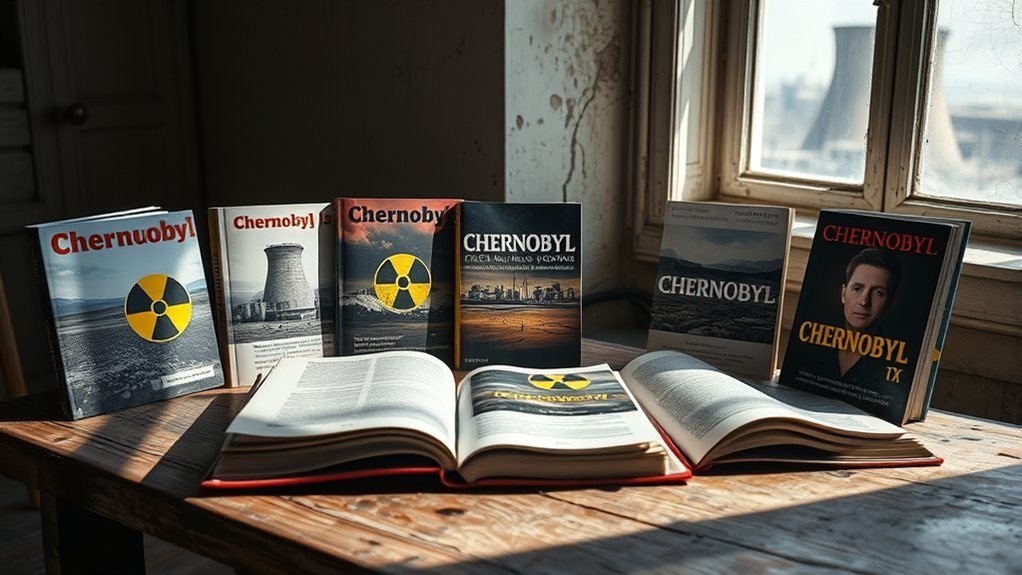
If you’re looking for some impactful reads on Chernobyl, consider checking out “Midnight in Chernobyl,” “Chernobyl: The History of a Nuclear Catastrophe,” and “Voices from Chernobyl.” These books capture powerful personal stories, systemic failures, and the deep emotional struggles of those affected by the disaster. You’ll find themes of resilience that are both heart-wrenching and inspiring. There are even titles geared toward young readers, too. Keep exploring to find more compelling narratives about this tragic event.
Midnight in Chernobyl: The Untold Nuclear Disaster

“Midnight in Chernobyl: The Untold Nuclear Disaster” by Adam Higginbotham is a compelling and meticulously researched account of the catastrophic events surrounding the 1986 explosion of Reactor Number Four. Through a blend of firsthand testimonies and declassified documents, Higginbotham illuminates the intertwining themes of human error, governmental secrecy, and the devastating fallout—both literal and metaphorical—of one of history’s worst nuclear disasters. As he writes, “Chernobyl was a moment when the world stepped into the abyss.”
Key themes that resonate throughout the book include:
- Human Error: A deep dive into the decisions that led to the disaster.
- Governmental Secrecy: Insight into how information was manipulated and withheld.
- Systemic Negligence: Examination of the bureaucratic failures that contributed to the disaster’s severity.
The narrative is rich and engrossing, capturing the harrowing experiences of those directly affected while maintaining a critical lens on the systemic failings of the time. Higginbotham’s style is both engaging and accessible, transforming complex technical details into a gripping story. His vivid descriptions and attention to detail immerse the reader in the dire circumstances surrounding Chernobyl, making the historical account feel urgent and alive.
“Midnight in Chernobyl” is not just a recounting of a tragic event; it’s a cautionary tale that underscores the importance of transparency in technological endeavors. The lessons drawn from this disaster are not just historical footnotes but relevant reminders for today’s world, especially amid ongoing discussions about nuclear energy and safety. This book is a must-read for anyone interested in the profound implications of human choices on our environment and society, ensuring its place in the canon of essential nonfiction literature.
Chernobyl: The History of a Nuclear Catastrophe

If you’re looking to unravel the intricate layers of the Chernobyl disaster, Serhii Plokhy’s “Chernobyl: The History of a Nuclear Catastrophe” is a gripping exploration that offers both historical context and personal accounts. As a survivor of this harrowing event, Plokhy recounts the catastrophic 1986 explosion through the eyes of those who lived it—firefighters, soldiers, and ordinary citizens—painting a vivid picture of bravery amid chaos. His narrative not only chronicles the events but also underscores critical themes such as the shortcomings of the Soviet system and the enduring risks associated with nuclear energy.
In this compelling work, you’ll find:
- Personal stories that bring emotional resonance to the historical narrative, revealing the human cost of this disaster.
- A keen critique of political and economic decisions that prioritized growth over safety, providing sharp insights into governance and accountability.
- A call to action regarding current nuclear risks, serving as a vital reminder of the importance of vigilance in energy management.
Plokhy’s writing style is both engaging and insightful, seamlessly combining historical analysis with emotional depth. He draws you in with passages like, “In the shadow of the reactor, courage and despair danced an unsettling waltz,” reminding us of the profound complexities faced in times of crisis.
“Chernobyl: The History of a Nuclear Catastrophe” is not just a recounting of an event; it’s a powerful narrative that resonates with contemporary issues of technology and safety. It’s a must-read for anyone interested in history, policy-making, or the far-reaching consequences of human decisions. This book not only educates but also inspires a deep reflection on our responsibilities in managing the powerful forces we harness for energy. Don’t miss out on this insightful and thought-provoking read.
Voices from Chernobyl (Lannan Selection)

“Voices from Chernobyl” invites readers into the haunting aftermath of the 1986 nuclear disaster through the compelling narratives of those whose lives were irrevocably altered. Svetlana Alexievich uses poignant interviews with a diverse array of individuals—innocent civilians, valiant firefighters, and resilient cleanup workers—to weave a tapestry of emotional struggle and enduring fear. This documentary-style work serves not only as a memorial for the victims but also as a powerful testament to human resilience against the backdrop of catastrophe.
Key themes include:
- Emotional Resilience: The narratives offer an intimate glimpse into the traumatic impacts and unexpected courage of individuals facing devastation.
- Collective Memory: By sharing varied perspectives, the book raises critical questions about how we remember and learn from such tragedies.
- Human Experience: It highlights how ordinary lives can be transformed in extraordinary circumstances, making the reader reflect on the fragility of life.
Alexievich’s writing is a masterclass in empathy—her interview-based structure creates a sense of immediacy and authenticity. As one survivor poignantly states, “We wanted to save the world and ended up with a death sentence.” Such raw expressions encapsulate the profound sorrow and resilience of the human spirit under duress.
“Voices from Chernobyl” is not just a book; it is an emotional journey that compels readers to confront uncomfortable truths about history and humanity. For those seeking a deeper understanding of resilience and the human condition in the wake of disaster, this work is an essential addition to your reading list. Engaging and thought-provoking, it will resonate long after the final page is turned.
Chernobyl: The True Story of a Nuclear Disaster

Chernobyl: The True Story of a Nuclear Disaster intricately unravels the harrowing calamity of April 26, 1986, when a fateful decision resulted in the world’s most devastating nuclear accident. Through this detailed narrative, readers will encounter not only the timeline of events but also the extraordinary courage displayed by those who risked their lives to mitigate the crisis’s impacts.
Key themes include:
- Heroic Sacrifice: The story of individuals who bravely faced danger to confront an uncontrollable disaster.
- Environmental Consequences: Insight into the lasting effects of radiation on health and the ecosystem.
- Myth-Busting: A closer look at the legendary figures, such as the Chernobyl diver, dispelling misconceptions.
The writing style is both compelling and informative, weaving together personal accounts with historical analysis to keep readers captivated. The structure is carefully designed, transitioning seamlessly between the immediate chaos of the disaster and its broader implications. As the book poignantly states, “In moments of crisis, the true measure of humanity emerges,” echoing the book’s celebration of bravery amidst despair.
Ultimately, Chernobyl: The True Story of a Nuclear Disaster is not just a recount of a catastrophic event; it’s a profound exploration of resilience, human spirit, and the intricate web of consequences that such disasters engender. This book is essential for anyone seeking to understand the complexities of nuclear history and the enduring impact of one of the most significant events of the late 20th century.
Escape From Chernobyl (Escape From #1)

“Escape From Chernobyl” is a gripping tale that immerses readers in the harrowing reality of the catastrophic explosion at Reactor No. 4 on April 26, 1986. Follow siblings Alina and Lev as they desperately navigate the chaos in their hometown of Pripyat, alongside their cousin Yuri, a custodian at the nuclear plant, and Alina’s best friend, Sofiya. Together, they face the immediate danger of radiation and grapple with the oppressive disinformation from the Communist party.
Key themes in this enthralling historical fiction include:
- Family Bonds: The story highlights the deep connections and resilience found in familial relationships during crises.
- Courage in Adversity: Characters must confront life-threatening situations that test their bravery and resolve.
- The Importance of Truth: The narrative showcases the dire consequences of misinformation in the face of a disaster.
The writing style is both vivid and evocative, creating an immersive experience that captures the tension of this pivotal moment in history. Phrases like “the air itself seemed charged with a palpable fear” effectively illustrate the ominous atmosphere, pulling readers deeper into the story.
“Escape From Chernobyl” not only entertains with its action-packed plot but also enlightens through its historical context, making it a must-read. With its compelling characters and urgent moral dilemmas, this book is a profound reminder of the human spirit’s resilience in the face of shocking adversity. Don’t miss the chance to plunge into this emotional and thrilling journey—it’s a story that resonates long after the last page.
Chernobyl: A Stalkers’ Guide
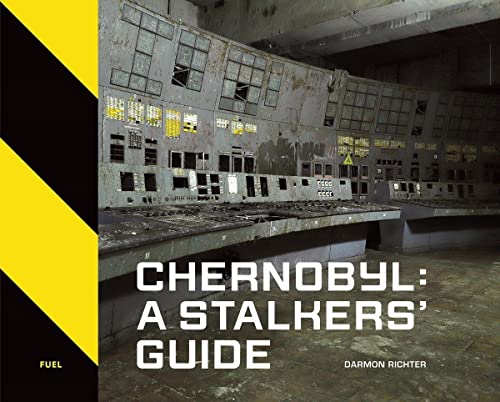
If you’re drawn to the mysteries of forbidden places and the haunting echoes of history, “Chernobyl: A Stalkers’ Guide” by Darmon Richter promises to intrigue and captivate. This gripping exploration unveils the eerie landscape of the Exclusion Zone, revealing both the well-known tourist spots and the neglected corners where time seems to stand still. Through breathtaking photography and compelling personal narratives, Richter leads readers on a visceral journey through ghost towns and abandoned Soviet structures, all while delving into the exhilarating world of “stalker” culture where adventurers brave the dangers of restricted territories.
Key themes in the book include:
- Nature’s Resilience: Witness how ecosystems reclaim abandoned spaces, breathing life into decay.
- Human Curiosity: Explore the daring world of those who venture into the unknown, risking safety for the thrill of discovery.
- The Impact of Disaster: Reflect on the Chernobyl catastrophe’s far-reaching effects on both the environment and society.
Richter’s writing style is both vivid and immersive, combining detailed descriptions with a narrative flow that keeps readers turning the pages. One notable quote captures the book’s essence: “In the silence of the Exclusion Zone, nature whispers stories of both destruction and rebirth.” With prose that evokes both beauty and melancholy, the book invites you to reflect on humanity’s complex relationship with tragedy and recovery.
The Day the Reactor Broke: Chernobyl for Kids

“The Day the Reactor Broke: Chernobyl for Kids” captivates young readers by exploring the dramatic story of one of history’s most significant disasters. This engaging book delves into the events of April 26, 1986, when a safety test at a nuclear power plant spiraled out of control, resulting in a catastrophic explosion. Through vivid storytelling, kids will discover the heroic actions of workers caught unaware of the impending crisis and learn about the evacuation of entire cities, such as Pripyat, while also witnessing nature’s remarkable ability to heal.
Key themes include:
- The importance of safety in energy production.
- The real human stories behind historical events.
- The resilience of nature and communities in the aftermath of disaster.
The writing style is accessible and engaging, making complex topics relatable for young minds. “Even in the shadows of disaster, hope can bloom anew,” beautifully conveys the book’s message of resilience. Readers will appreciate the blend of real-life accounts with insights into nuclear safety, which fosters a sense of responsibility and awareness.
This book is a must-have for young learners curious about history and science. Its engaging narrative not only informs but also inspires compassion and a sense of responsibility toward the environment and energy use. “The Day the Reactor Broke” offers a meaningful reading experience that both educates and captivates, making it a valuable addition to any child’s bookshelf.
Factors to Consider When Choosing Chernobyl Books
When choosing Chernobyl books, you should consider the authenticity of personal accounts and the importance of historical context. Look for authors with solid expertise and credentials, as well as a variety of perspectives and narratives that reflect the complex human experience. This way, you’ll gain a well-rounded understanding of the event and its impact.
Authenticity of Personal Accounts
Understanding the authenticity of personal accounts is essential for anyone selecting Chernobyl literature, as these narratives reveal the true horrors and human experiences of the disaster. Look for books that include firsthand testimonies from survivors and responders, as they offer crucial emotional insights into lasting trauma and resilience. Accounts that draw from multiple sources—like interviews, unpublished memoirs, letters, and declassified documents—provide a well-rounded perspective on the events. You’ll find that diverse voices, from firefighters to evacuees, illuminate the complex realities often obscured by state propaganda. Finally, consider the context in which these accounts were collected, as some stories might have been suppressed or altered, affecting their overall authenticity. Choose wisely to grasp the depth of these experiences.
Historical Context and Accuracy
Considering the profound impact of the Chernobyl disaster on both individuals and society, it is crucial to examine historical context and accuracy in any literature you choose. Look for books that include personal narratives from survivors and emergency responders, as these voices reflect the event’s complexity. Be aware of the Soviet government’s initial secrecy and propaganda, which clouded the truth and hindered timely response efforts. Acknowledging long-term studies on health impacts and ecological changes will help you understand the disaster’s lasting effects. Finally, explore how systemic flaws within the Soviet nuclear industry contributed to the incident. This context underscores the importance of transparency and safety in crisis management. Choose wisely to gain a well-rounded perspective on Chernobyl’s legacy.
Author Expertise and Credentials
Choosing books about Chernobyl requires careful attention to an author’s expertise and credentials, as these elements markedly affect the depth and accuracy of the narrative. Look for authors with firsthand experience or survivor accounts; their personal stories often reveal deeper insights into the disaster’s impact. Those with expertise in nuclear science or history can enhance credibility, providing a more accurate portrayal of events. Investigative journalists usually offer thorough narratives rooted in extensive research, interviews, and archival documents. Recognized accolades, like literary awards, may signal an author’s ability to present complex topics compellingly. Finally, an author’s skill in articulating the emotional aspects of the disaster can profoundly influence how readers comprehend Chernobyl’s broader implications.
Different Perspectives and Narratives
When exploring books about Chernobyl, the diverse perspectives and narratives they offer can greatly enrich your understanding of the disaster. You’ll find personal accounts from survivors, including firefighters and local citizens, that reveal both immediate and long-term impacts of the catastrophe. Some narratives critique the Soviet government’s response, highlighting how authoritarian control obscured crucial information and prioritized economic interests over safety. Many books also feature firsthand testimonies, presenting emotional and psychological experiences of those affected. Additionally, authors often discuss environmental consequences and health impacts of radiation exposure, framing Chernobyl as an important lesson on nuclear power risks. With genres ranging from historical accounts to fictionalized stories, you can engage with the disaster through varying lenses, enhancing your grasp of its complexity.
Themes of Human Experience
While delving into Chernobyl books, you’ll uncover profound themes of human experience that resonate deeply with readers. You’ll encounter personal accounts highlighting the emotional struggles and resilience of survivors, from firefighters to evacuees. These narratives emphasize the psychological toll of loss and trauma, illustrating the haunting memories faced by those impacted. You’ll also sense a feeling of abandonment and uncertainty as communities grapple with their new realities. The exploration of human heroism shines through as individuals display remarkable bravery and self-sacrifice amid catastrophe. Additionally, these accounts reveal the complexities of human error and systemic failures, stressing the importance of transparency and accountability in managing technological risks. Each story immerses you in the raw essence of humanity amidst disaster.
Availability of Visual Elements
Chernobyl books can pack a greater punch when they incorporate visual elements, as these features often deepen your understanding of the disaster’s impact. Look for books that include photographs, illustrations, and diagrams to visualize the tragedy’s aftermath. Maps or graphical representations of the Exclusion Zone help you understand the geographical changes and extent of contamination. Infographics can convey complex information about radiation levels and environmental effects in a straightforward manner. Personal narratives paired with portraits of survivors or scenes from the disaster provide an emotional connection, making the experience more immersive. Ultimately, visual documentation of abandoned sites and wildlife recovery highlights the long-lasting effects of Chernobyl, contrasting its historical context with the ongoing changes in the region.
Accessibility for Young Readers
Finding age-appropriate Chernobyl books for young readers requires careful consideration of several factors. Look for titles that simplify complex scientific concepts about nuclear energy and radiation, ensuring they’re easily understandable. Engaging narratives or storytelling elements can capture children’s interest while sharing important historical facts. Books featuring personal accounts foster empathy, helping young readers connect emotionally with those affected by the disaster. It’s essential to avoid overwhelming details or graphic descriptions; focus on themes of resilience and recovery to maintain a sense of hope. Finally, opt for resources highlighting lessons learned about safety measures and environmental stewardship, encouraging critical thinking about technology and its impact. By thoughtfully selecting materials, you can inspire young readers on this important topic.
Depth of Research and Analysis
When choosing Chernobyl books, it’s essential to evaluate the depth of research and analysis behind each title. Look for authors who utilize extensive interviews and have access to recently declassified documents; this adds authenticity to the narrative. Titles that analyze the Soviet system and critique the disaster’s response offer critical insight into governance and public safety. Seek books featuring personal accounts from diverse experiences—firefighters, scientists, and local residents—for a well-rounded understanding of the event’s human impact. Consider whether the book discusses the long-term health and environmental consequences of Chernobyl, indicating thorough research. Finally, evaluate how well the narrative emphasizes implications and lessons for nuclear power management and transparency in crisis situations.