
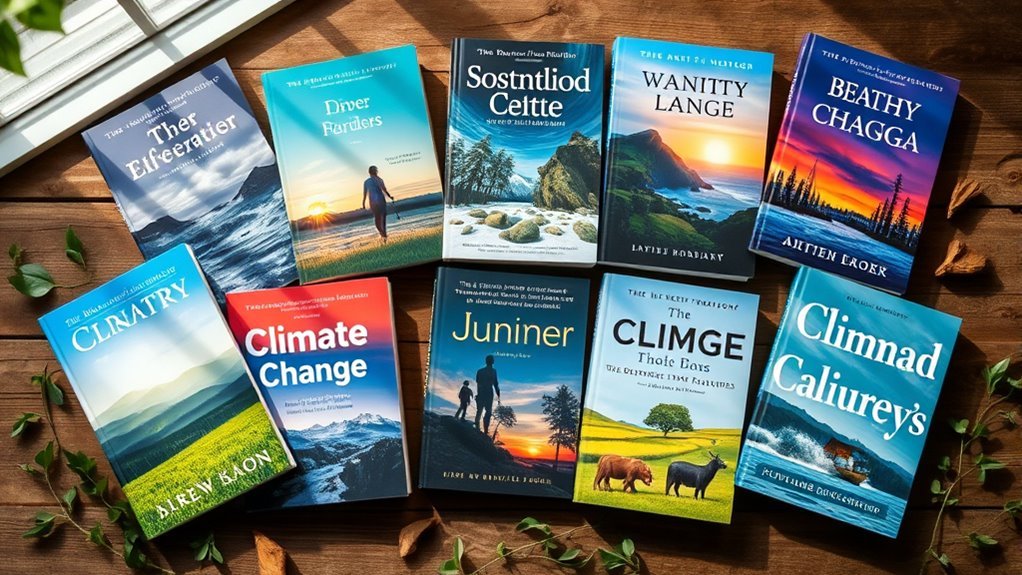
If you’re looking to ignite your environmental passion, check out these seven impactful books: “Unsettled” by Steven Koonin challenges climate narratives, while “What If We Get It Right?” offers hopeful visions for the future. “Climate Change: The Facts” provides a balanced overview, and “Human Nature” connects emotions to climate issues. “On the Move” highlights migration due to climate disasters. Together, these works inspire action and deepen your understanding of the climate crisis. Stay tuned for more insights!
Unsettled: What Climate Science Tells Us and Why

In “Unsettled: What Climate Science Tells Us and Why,” Steven Koonin presents a thought-provoking exploration of the complexities behind climate science. Drawing from his experience as a former science advisor, Koonin challenges widely accepted narratives, revealing intriguing insights that might leave you questioning common assumptions. For instance, he notes that global temperatures experienced a decline from 1940 to 1970, even as greenhouse gas emissions were on the rise.
Key themes in the book include:
- The intricacies and uncertainties of climate models.
- Historical climate data that contradicts prevalent claims.
- The pressing global energy challenges that shape our understanding of climate change.
Koonin’s writing is both accessible and engaging, combining rigorous scientific analysis with an approachable tone that invites readers into a complex discussion. His ability to unpack dense topics is evident when he states, “Science is a process, not a set of beliefs,” emphasizing the evolving nature of our understanding of climate.
Ultimately, “Unsettled” is more than just a critique of current climate dialogues; it’s an invitation to rethink how we approach and discuss climate science. This book is essential for those looking to deepen their knowledge and be part of informed discussions on climate change—making it a must-read for anyone curious about what lies beneath the surface of this critical issue.
What If We Get It Right?: Visions of Climate Futures

“What If We Get It Right?: Visions of Climate Futures” is an uplifting exploration of hopeful pathways through the climate crisis, curated by renowned climate scientist Ayana Elizabeth Johnson. This engaging collection blends essays, poetry, and conversations that empower readers to imagine a thriving future and take actionable steps toward it. Through contributions from notable voices such as Wendell Berry and Bill McKibben, the book illuminates innovative climate solutions and emphasizes the importance of collective action.
Key themes include:
- Diverse Perspectives: A variety of contributors provide multifaceted approaches to addressing climate challenges.
- Action-Oriented Visioning: Readers are inspired to play an active role in shaping a sustainable future.
- Hopeful Engagement: The book cultivates imagination and courage, making it a motivating read for those grappling with environmental anxiety.
Johnson’s writing is both poetic and precise, making complex ideas accessible and relatable. The structure seamlessly weaves personal narratives with broader themes, creating a tapestry of hope. One memorable quote encapsulates this spirit: “We need to envision the world we want before we can build it.”
In a time when climate discourse can often feel overwhelming, “What If We Get It Right?” is an essential read that reignites passion for a sustainable and equitable world. It’s not merely a book; it’s a call to action that invites you to be part of the transformative journey. If you’re seeking inspiration and practical insights for creating a better future, this is the perfect addition to your reading list.
Climate Change: The Facts

In “Best Climate Change Books,” readers are invited on a profound journey through the multifaceted world of climate change, where scientific insights collide with political realities. This anthology delves into why climate change has emerged as a critical topic in global politics, revealing how figures from royals to grassroots activists are influencing the narrative. By exploring both the scientific milestones and the urgent calls for effective policy, readers will gain a deeper understanding of the complexities surrounding this pressing issue.
Key themes include:
- The scientific landscape: Addressing current findings, including the perplexing pause in global warming.
- Political dynamics: Examining how nations are responding to climate change and the limitations they face.
- The power of activism: Highlighting how grassroots movements elevate public consciousness and demand action.
The book is expertly crafted, blending academic rigor with accessible writing that makes the complex topics engaging. With its skillful balance of rich information and compelling storytelling, readers will appreciate how it invites reflection through poignant quotes, such as, “Activism is the heartbeat of awareness; without it, climate change becomes a distant echo.”
In a time when understanding climate change is more crucial than ever, this book serves as a vital resource. It’s not just about presenting facts; it inspires readers to think critically about their role in a collective effort for change. This book is a must-read for anyone looking to grasp the intricacies of climate dynamics and be part of the ongoing conversation for a sustainable future.
Human Nature: Nine Ways to Feel About Climate

“Human Nature: Nine Ways to Feel About Our Changing Planet” by Kate Marvel is a thought-provoking exploration that invites readers to engage emotionally with the pressing issue of climate change. Through her examination of nine distinct emotions—Wonder, Anger, Guilt, Fear, Grief, Surprise, Pride, Hope, and Love—Marvel artfully intertwines personal reflections with scientific insights, challenging us to confront the complexities of our relationship with the environment.
Key themes of the book include:
- The multifaceted emotional landscape surrounding climate change.
- The urgent call for environmental action, underscoring the fragility and beauty of our planet.
- The importance of personal storytelling in connecting to larger scientific concepts.
Marvel’s writing style is both engaging and accessible, balancing deep emotional resonance with clear, informative content. Her storytelling is laced with poignant moments, such as when she reflects, “In the face of despair, our deepest emotions can ignite sparks of hope.” This combination of narrative and intellectual rigor keeps readers invested and encourages them to ponder their own feelings about the climate crisis.
Ultimately, “Human Nature” is not just an informative read; it’s an essential call to action infused with passion and empathy. For anyone looking to deepen their understanding of climate change through a rich, emotional lens, this book is a must-read that resonates long after the final page. Marvel’s ability to awaken your emotions while illuminating the intricacies of our changing planet makes it a profoundly impactful experience worth exploring.
On the Move: How Climate Disasters Are Changing Where We Live

In *On the Move: How Climate Disasters Are Changing Where We Live*, Abrahm Lustgarten presents a gripping exploration of the reality of climate migration, revealing how millions may soon find themselves displaced due to the catastrophic effects of climate change. With vivid accounts of wildfires, flooding, extreme heat, and droughts, Lustgarten masterfully illustrates the transformative forces reshaping American landscapes and the tough choices individuals must make on whether to leave—not if they will have to.
Key themes include:
- The escalating crisis of climate-induced displacement affecting communities nationwide.
- A critical look at past policies that have contributed to increased vulnerability among populations.
- Predictions for future population shifts, providing a roadmap for resilience planning.
Lustgarten’s writing is both engaging and informative, blending personal narratives with rigorous analysis to create a compelling narrative that pulls readers in. One memorable passage states, “The choice to leave is often preceded by a thousand smaller choices, each signaling an unwelcome reality.” This poignant observation encapsulates the emotional weight of climate migration that Lustgarten poignantly discusses throughout the book.
This book is an urgent wake-up call that not only informs but also inspires action. It’s essential reading for anyone interested in understanding the depths of the climate crisis and its far-reaching implications on society. Whether you’re a concerned citizen or a policymaker, *On the Move* is a crucial resource that will deepen your understanding of the challenges ahead and illuminate paths to resilience.
Here Comes the Sun: Last Chance for Climate

“Here Comes the Sun: Last Chance for Climate” by Bill McKibben serves as a powerful call to action for anyone eager to combat climate change through innovation and grassroots initiatives. This compelling read underscores the urgent climate crisis while celebrating the transformative potential of solar and wind energy—now the most affordable power sources available. McKibben takes us on a journey where everyday citizens drive meaningful change, such as large-scale solar panel installations, proving that collaborative efforts can indeed make a difference despite the formidable pushback from the fossil fuel industry.
Key themes throughout the book include:
- The necessity of embracing renewable energy for a sustainable future.
- The empowerment of local communities through grassroots projects.
- The interconnection between energy accessibility and social equity.
McKibben’s writing style is both engaging and informative, painting a vivid picture of the challenges and triumphs faced in the face of climate change. His ability to blend statistics with passionate anecdotes makes complex issues accessible and inspiring. One of his memorable insights reflects that “the sun can’t be owned—it can only be harnessed,” resonating deeply with the book’s ethos of collective empowerment.
How to Avoid a Climate Disaster

In “How to Avoid a Climate Disaster,” Bill Gates lays out a clear and compelling vision for achieving zero greenhouse gas emissions, drawing from extensive research and insights from experts across multiple disciplines. This essential read explores the practical steps we can take to combat climate change, highlighting the role of technology and the collective effort needed from individuals and policymakers alike.
Key themes include:
- Emissions Reduction: Practical technologies that can significantly lower greenhouse emissions.
- Collaborative Solutions: The importance of working together across various sectors to tackle the climate crisis.
- Realistic Action Plans: Clear, actionable steps for both individuals and government entities to enact meaningful change.
Gates’ writing is accessible and engaging, making complex ideas understandable for readers from all backgrounds. He shares thought-provoking insights that resonate deeply, such as, “We can’t just invent our way out of this mess; we need to make tough decisions too.” His blend of optimism and pragmatism motivates readers to think critically about their roles in this global issue.
Factors to Consider When Choosing Climate Change Books
When you’re picking climate change books, consider the author’s expertise and the book’s main themes. You’ll want something that’s easy to read and includes recent research to guarantee you’re getting up-to-date information. Also, check if the book offers practical solutions that you can apply in your own life.
Author’s Expertise and Credibility
Selecting a climate change book can be intimidating, especially with the vast array of authors claiming expertise. To find reliable information, assess the author’s background in relevant fields like physics, biology, or environmental science. Their education and experience in government, academia, or research institutions can add significant credibility. Look for published works or endorsements from respected organizations, as these enhance their authority. Understanding the author’s previous contributions to climate science or activism highlights their long-term engagement with the topic. Finally, check if they adopt interdisciplinary approaches by collaborating with professionals across various sectors, which reflects a holistic understanding of climate change solutions. Making these evaluations will guide you to a trustworthy resource in this vital field.
Book’s Focus and Themes
Understanding an author’s expertise sets the stage for evaluating the actual content of a climate change book. Consider whether the book offers a critical analysis of commonly accepted climate narratives. Some authors challenge prevailing claims, presenting a nuanced view of climate science. Look for texts that emphasize actionable visions for a sustainable future; these can empower you to engage in transformative efforts. It’s also worthwhile to find books discussing the emotional dimensions of climate change, as these insights deepen your understanding. Additionally, assess if the book provides thorough scientific perspectives from various disciplines. Finally, seek out works outlining concrete plans and policies, ensuring they include actionable steps for individuals and communities alongside discussions on technological advancements and socio-political factors.
Readability and Accessibility
How can the readability and accessibility of climate change books shape your understanding of this pressing issue? Clear language and structured narratives can help you grasp complex scientific concepts more easily. Look for diverse formats, like essays or poetry, which can engage you and make the subject more relatable. Illustrations and infographics aid comprehension and retention, allowing you to process intricate data more effectively. The tone of a book—hopeful or critical—can affect your emotional engagement, inspiring action on climate issues. Books that blend storytelling with factual information are often more compelling, encouraging you to connect emotionally with the climate crisis while enhancing your awareness. By prioritizing readability and accessibility, you set yourself up for a richer understanding of climate change.
Recent Research Inclusion
The readability and accessibility of climate change books can set the stage for deeper exploration into their content, especially concerning recent research. When you’re choosing a book, look for those that feature the latest scientific data and recent developments in climate research. Texts that incorporate new insights into climate models and their predictive abilities are invaluable, especially regarding temperature changes and extreme weather events. Additionally, consider books that discuss global events impacting climate dynamics, like energy crises and shifts in climate policy. Investigating peer-reviewed research and contributions from credible scientists can enhance the reliability of the claims made. Prioritize literature that examines advancements in climate technology and current strategies for emission reduction based on the latest innovations and policy discussions.
Practicality of Solutions Offered
When exploring climate change books, it is important to evaluate the practicality of the solutions offered, as this can greatly influence your ability to make informed decisions. Check if the proposed solutions align with current technological and scientific advancements. Look for actionable steps tailored for both individuals and governments, as these are significant for effectively addressing climate challenges. Assess if the book presents successful case studies or real-life applications of its strategies, reflecting their potential impact. Additionally, consider whether the author employs interdisciplinary approaches, which can enhance the feasibility of solutions. Finally, pay attention to how accountability and the roles of diverse stakeholders are emphasized, as understanding these collaborative actions is essential for practical implementation.
Diverse Perspectives and Contributions
Exploring diverse perspectives in climate change literature can profoundly enrich your understanding of the issue. When choosing books, seek out those that feature contributions from various experts, including scientists, policymakers, and activists. These voices provide a thorough view of the multifaceted nature of climate change. Look for essays and conversations from individuals like farmers, architects, and environmental advocates to showcase different perspectives and solutions. It’s also crucial to reflect on works that discuss the intersection of climate science with cultural, social, and economic factors, highlighting impacts on diverse communities. Anthologies that blend personal narratives with scientific insights evoke emotional responses and foster connections. Finally, prioritize books that inspire creative thinking about sustainable transformations and your role in effecting change.