

If you’re an aspiring economist, you’ll want to explore various editions of *The Wealth of Nations* by Adam Smith. Look for the Modern Library edition, the unabridged version, and the Penguin Classics edition of Books IV-V. Each offers unique insights into economic principles that are still relevant today. These editions vary in readability and context, so choosing wisely matters. Keep going to discover how these choices can enhance your understanding of economics.
The Wealth of Nations (Modern Library)

“The Wealth of Nations,” authored by the renowned economist Adam Smith, is an essential cornerstone in the field of economics that delves into the intricacies of trade, value, and labor. This comprehensive volume captures all five of Smith’s books, enriched with extensive editorial notes that guide readers through his groundbreaking ideas. Smith’s theories, from the *Labor Theory of Value* to the interplay between ethics and self-interest, provide timeless insights into market dynamics that continue to provoke thought and discussion today.
Key themes include:
- The fundamental relationship between labor and economic value.
- The critique of exploitative practices, advocating for individual freedoms and ethical behavior in commerce.
- The relevance of historical context to modern economic discourse.
Smith’s writing style is both engaging and insightful, balancing profound concepts with eloquence. As he famously expresses, “It is not from the generosity of the butcher, the brewer, or the baker that we expect our dinner, but from their regard to their own interest.” This powerful assertion encapsulates the essence of his perspective on economic motivation.
Reading “The Wealth of Nations” is an enlightening journey through the foundations of economic theory, making it an indispensable resource for students and aspiring economists alike. Whether you are delving into complex theories or seeking a nuanced understanding of market behaviors, this edition promises not only to educate but to inspire. Embrace Smith’s insights and elevate your grasp on modern economics with this timeless classic.
The Wealth of Nations
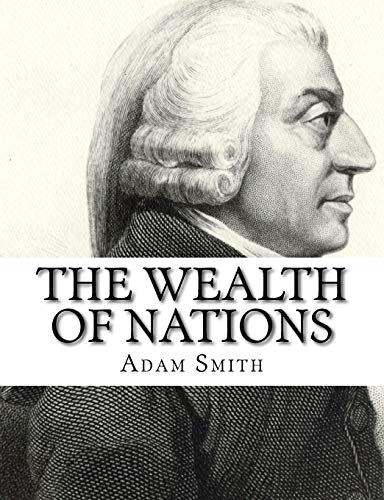
In “The Wealth of Nations,” Adam Smith lays the groundwork for modern economic thought, presenting a comprehensive analysis of capitalism and the evolution of money. This classic work invites readers into a profound exploration of key concepts such as labor productivity, free markets, and the intricate web of societal interactions that fuel economic growth.
Key themes include:
- The role of self-interest in promoting social welfare.
- The significance of division of labor in enhancing productivity.
- The crucial link between market dynamics and the prosperity of nations.
Smith’s writing style is both articulate and engaging, allowing readers to delve into complex ideas while remaining accessible. His thoughtful structure provides a logical progression, making even challenging concepts more digestible.
Memorable passages, like “It is not from the benevolence of the butcher, the brewer, or the baker that we expect our dinner, but from their regard to their own interest,” encapsulate the spirit of Smith’s arguments and stimulate deep reflections on the nature of economic interactions.
Ultimately, “The Wealth of Nations” is not just a historical artifact but a timeless guide for anyone passionate about understanding the mechanisms of our economic world. Whether you’re an aspiring economist, a curious learner, or an informed citizen, this book will enrich your perspective and inspire a deeper engagement with the economic forces shaping our lives. Don’t miss the chance to immerse yourself in this foundational text that continues to influence thought across centuries.
The Wealth of Nations

“The Wealth of Nations” by Adam Smith stands as a cornerstone of economic thought, offering insights into the foundations of modern economic systems. In this groundbreaking work, Smith dives into the intricacies of trade, labor, and wealth creation, unveiling how economic forces shape society and influence human behavior. Whether you are a budding economist or simply curious about the principles that govern economies, this book is sure to provide a wealth of knowledge.
Key themes include:
- The importance of free markets and the “invisible hand” that guides economic activity.
- The division of labor and its effects on productivity and innovation.
- The critical relationship between commerce, ethics, and societal progress.
Smith’s writing is both engaging and accessible, making complex economic ideas understandable without oversimplification. His eloquence shines through in memorable quotes such as, “The division of labor is the source of wealth,” encouraging readers to reflect on the intricate connections between economic principles and everyday life.
Ultimately, “The Wealth of Nations” is not just a historical document but a treasure trove of timeless insights that remain relevant today. It’s a must-read for anyone serious about understanding economics, and even casual readers can appreciate its profound implications. This book is more than just a narrative; it’s an enlightening journey through the forces that drive economies, making it a worthwhile addition to any bookshelf.
The Wealth of Nations
The Wealth of Nations is an indispensable resource for aspiring economists eager to unravel the core principles of economics. This abridged edition, thoughtfully edited by L. von Mises, hones in on Book 1 of Adam Smith’s timeless classic, offering readers a streamlined yet impactful entry point into critical economic thought.
Within its pages, you’ll explore foundational themes such as the nature of wealth, the division of labor, and the benefits of a free market. Key ideas include:
- The importance of specialization in boosting productivity.
- The invisible hand that guides market activities and benefits society.
- The role of self-interest in driving economic progress.
Von Mises’ modernized language helps clear some of the hurdles posed by Smith’s antiquated prose, making complex concepts more accessible to contemporary readers. The book is well-structured, presenting ideas in a logical flow that enhances understanding and retention. As Smith famously wrote, “It is not by the benevolence of the butcher, the brewer, or the baker that we expect our dinner, but from their regard to their own interest.” This quote encapsulates the essence of how individual pursuits can lead to communal benefits—a central tenet of economic theory.
The Wealth of Nations
In “The Wealth of Nations,” Adam Smith lays the groundwork for modern economic theory, exploring the intricacies of capitalism and the forces that drive market dynamics. This groundbreaking work invites readers to delve into key ideas such as labor productivity, the importance of free markets, and the impact of mercantilism. As you journey through Smith’s insights, you’ll encounter themes that remain relevant today, making it a must-read for anyone eager to understand the foundations of economic thought.
- Labor Productivity: Discover how increased efficiency in the workforce can lead to greater wealth for societies.
- Free Markets: Understand the benefits of competition and how it fosters innovation and consumer choice.
- Mercantilism: Explore historical economic policies and their implications on trade and industry development.
While Smith’s prose can be challenging at times—leading some readers to take it slow—the payoff is undeniably rich. His eloquence shines through passages such as, “It is not from the benevolence of the butcher, the brewer, or the baker that we expect our dinner, but from their regard to their own interest.” Such insights reflect not just his keen observation of human nature, but also the timeless relevance of his ideas.
The Wealth of Nations
![Wealth of Nations by Adam Smith [Deluxe Hardbound Classic] -](https://m.media-amazon.com/images/I/51CA6XJ4v7L._SL500_.jpg)
*The Wealth of Nations* is a cornerstone of economic thought, authored by the eminent Adam Smith in the 18th century. This influential work delves into the intricacies of labor, value, and trade, providing a timeless framework that still resonates in today’s dynamic economic landscape. Through his exploration of the principles of capitalism, Smith offers profound insights into how societies can thrive through commerce and cooperation.
- Key Themes:
- The relationship between labor and value
- The mechanisms of trade and market competition
- The importance of free markets for economic growth
Smith’s writing, while at times dense and formal, is infused with a clarity that reflects his philosophical depth. It is this balance of rigor and accessibility that makes his ideas not just relevant, but essential for understanding both historical and contemporary economic practices. A standout passage from the text encapsulates his spirit: “It is not from the benevolence of the butcher, the brewer, or the baker that we expect our dinner, but from their regard to their own interest.”
Ultimately, *The Wealth of Nations* is more than just an academic text; it’s a gateway to comprehending the forces that shape our world. Anyone with an enthusiasm for economics, history, or the mechanics of capitalism will find this book a rewarding companion. With its rich insights and lasting relevance, it’s a must-read for those eager to navigate the complexities of our modern economies.
The Wealth of Nations, Books IV-V (Penguin Classics)

Adam Smith’s “The Wealth of Nations, Books IV-V” (Penguin Classics) is a cornerstone of economic literature that masterfully dissects the complexities of capitalism and the nature of wealth. In these pages, Smith delves into critical discussions around the framework of markets, regulatory practices, and the implications of monopoly power, inviting readers to reflect on the economic forces that shape our society.
Key themes include:
- The necessity of regulations to foster fair competition.
- The significance of opposing monopolies to safeguard consumer interests.
- The intricate relationship between freedom and economic development.
Smith’s writing is rich yet approachable, seamlessly blending philosophical inquiry with empirical observation. His keen insights are accompanied by memorable quotes, such as, “The great object of the present work is to explain the real and immediate cause of the wealth, and of the riches of nations.” This succinctly captures his goal of untangling the threads of economic prosperity.
The book’s historical context enhances its relevance today, offering a robust foundation for discussions on modern economics. Whether you are an aspiring economist or simply curious about the origins of economic thought, this classic is essential for anyone looking to deepen their understanding of the world around them. Its enduring legacy continues to provoke thought and conversation, making it a worthy addition to your library.
Factors to Consider When Choosing Wealth of Nations Books
When you’re choosing Wealth of Nations books, it’s essential to think about several key factors. Consider the edition quality, as it affects your overall experience and understanding. You’ll also want to assess the content, readability, and how well the book fits into its historical context.
Edition Quality Assessment
Choosing the right edition of “Wealth of Nations” can make a significant difference in your reading experience, so it’s vital to assess key factors. First, check the print quality; small text with cramped spacing can be frustrating. Next, consider binding durability; weak bindings can lead to wear and tear, making your copy unusable over time. Look for editions with editorial notes and a thorough structure, as these enhance your understanding. Accessibility features like a well-designed table of contents are essential, particularly in digital versions, to facilitate navigation. Finally, pay attention to margins and text layout; minimal margins can make reading challenging and diminish your overall enjoyment. Choose wisely to enrich your study of economics.
Content Completeness and Structure
Selecting the right edition of *The Wealth of Nations* is crucial for fully grasping Adam Smith’s economic theories. When you’re choosing a version, make sure it includes all five books of the original text; some editions only feature selected portions, which can diminish your understanding. Look for editions with editorial notes or introductions—they provide significant context and clarify Smith’s arguments. Check the printing quality too; poor binding or small print can ruin the reading experience. Consider the language and style—modernized versions simplify the prose, while original texts maintain the complexity of 18th-century writing. Finally, assess extra features like indexes or commentary, as they can help you navigate the multifaceted themes within the book effectively.
Readability and Accessibility
The readability and accessibility of *The Wealth of Nations* play a significant role in your understanding of Adam Smith’s ideas. Different editions have varying degrees of complexity—some can feel dense and formal, reflecting the 18th-century language that might challenge you today. Typography issues, like tiny print and poor spacing, can hinder your ability to engage fully, sometimes requiring aids like a magnifying glass. While diving into the original text offers deeper insight into Smith’s beliefs, it’s important to choose editions that are well-organized. Look for those with clear print and strong binding, as poor quality can stifle your study experience and make it difficult for you to navigate through Smith’s extensive concepts.
Print and Binding Durability
When considering a copy of *The Wealth of Nations*, it is crucial to examine its print and binding durability to guarantee a satisfying reading experience. First, assess the binding quality; some editions suffer from weak binding, leading to wear during repeated use. Next, consider print clarity and readability, as cheaper versions may contain scanning errors that hinder comprehension. Pay attention to the size of the print and typography—small text could require magnifying glasses for comfort. Opt for editions with robust structures and avoid “cheap editions” that feel disposable and lack features like forwards or indexes. Finally, verify the completeness of the content to avoid missing key sections vital for understanding Adam Smith’s ideas fully.
Historical Context and Relevance
Understanding the historical context and relevance of Adam Smith’s *The Wealth of Nations* enriches your reading experience. Published in 1776, this foundational text reveals insights into capitalism that still shape modern economies. Smith emphasizes the Labor Theory of Value, illustrating how the value of goods comes from the labor invested, a principle that resonates with today’s economic theories. He also explores the division of labor, showing how specialization boosts productivity—a topic still relevant in labor economics. Additionally, Smith critiques mercantilism, advocating for free markets and minimal government intervention, sparking ongoing debates about market efficiency. Finally, his concern for human welfare, expressed in *The Theory of Moral Sentiments*, continues to inform discussions on the ethical implications of economic policies.
Editorial and Annotations Value
Choosing the right edition of *The Wealth of Nations* enhances your comprehension, especially if it includes thoughtful editorial notes and annotations. These resources can provide essential context for historical references and clarify complex economic concepts that might confuse modern readers. Extensive notes often explain how economic terminology has evolved since the 18th century, aiding your understanding of Smith’s ideas in today’s terms. Annotations can emphasize significant themes like the Labor Theory of Value and the division of labor, linking them to broader theories in economics. Access to footnotes and commentaries also facilitates deeper engagement with the text, allowing you to connect Smith’s original thoughts to current economic practices, ultimately enriching your critical thinking and appreciation of his contributions.
Personal Engagement in Reading
Engagement with *The Wealth of Nations* extends beyond merely selecting the right edition; it involves a personal commitment to the reading process. Since you might find yourself reading only about two pages an hour, be prepared to invest time and effort into understanding its complex ideas. Diving into Smith’s original language enriches your comprehension, helping you appreciate the depth of his economic theories and ethical considerations. Many readers report personal growth and intellectual development from this engagement, highlighting the importance of reflection on its themes. The book’s wide array of topics, like labor productivity and free markets, encourages thoughtful discussions, making it even more rewarding. Plus, there’s a sense of pride in adding this classic to your library, enhancing your motivation.